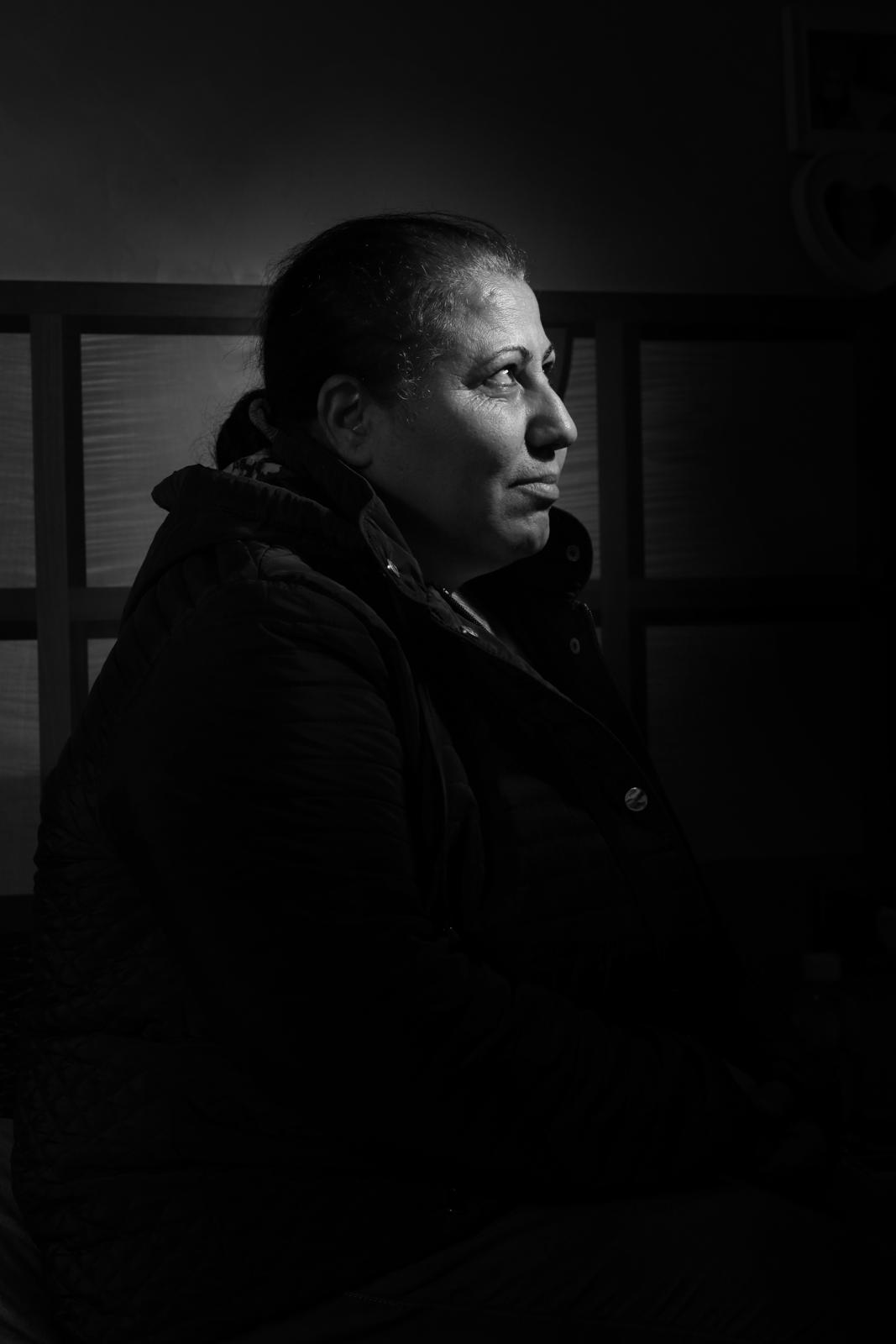
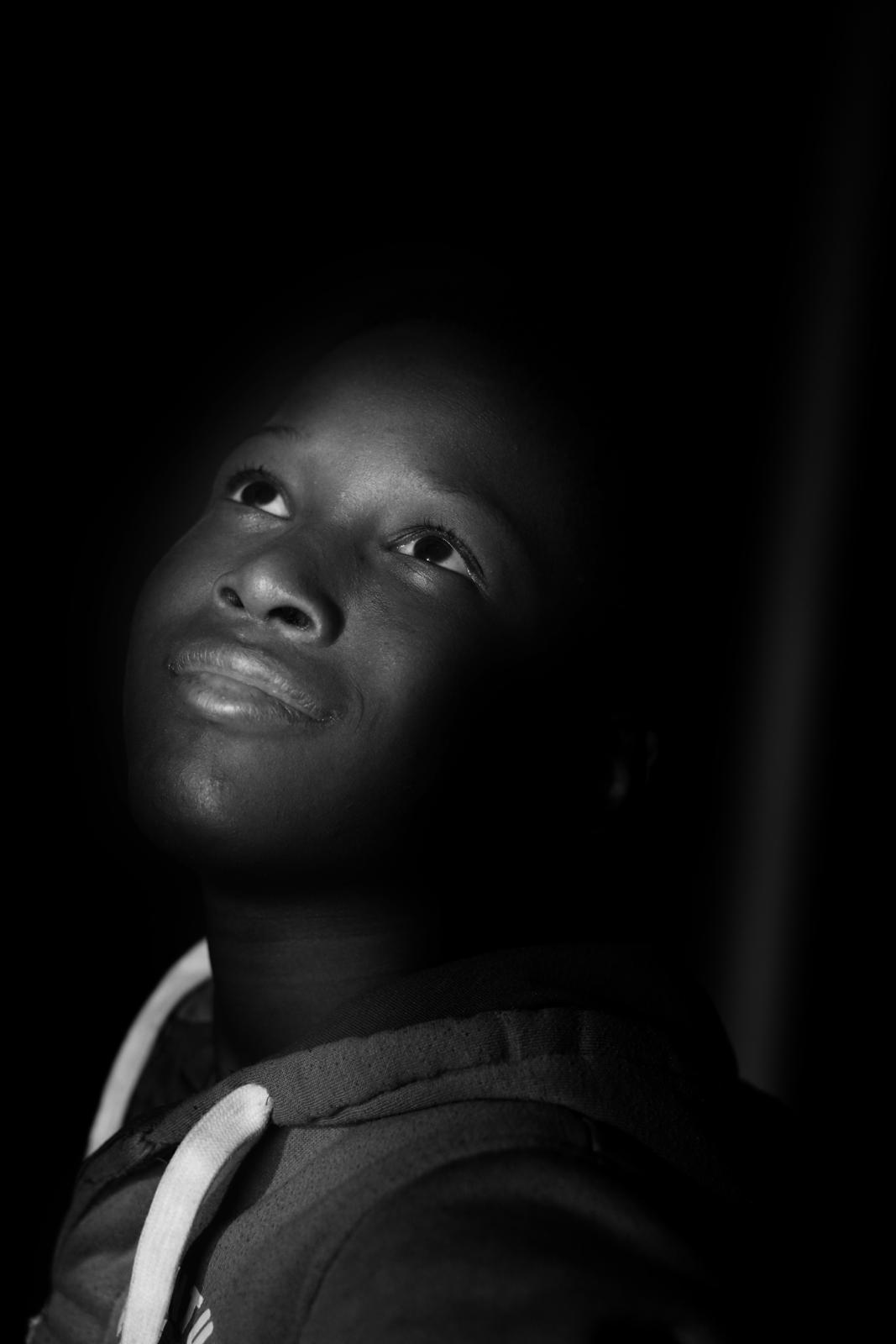
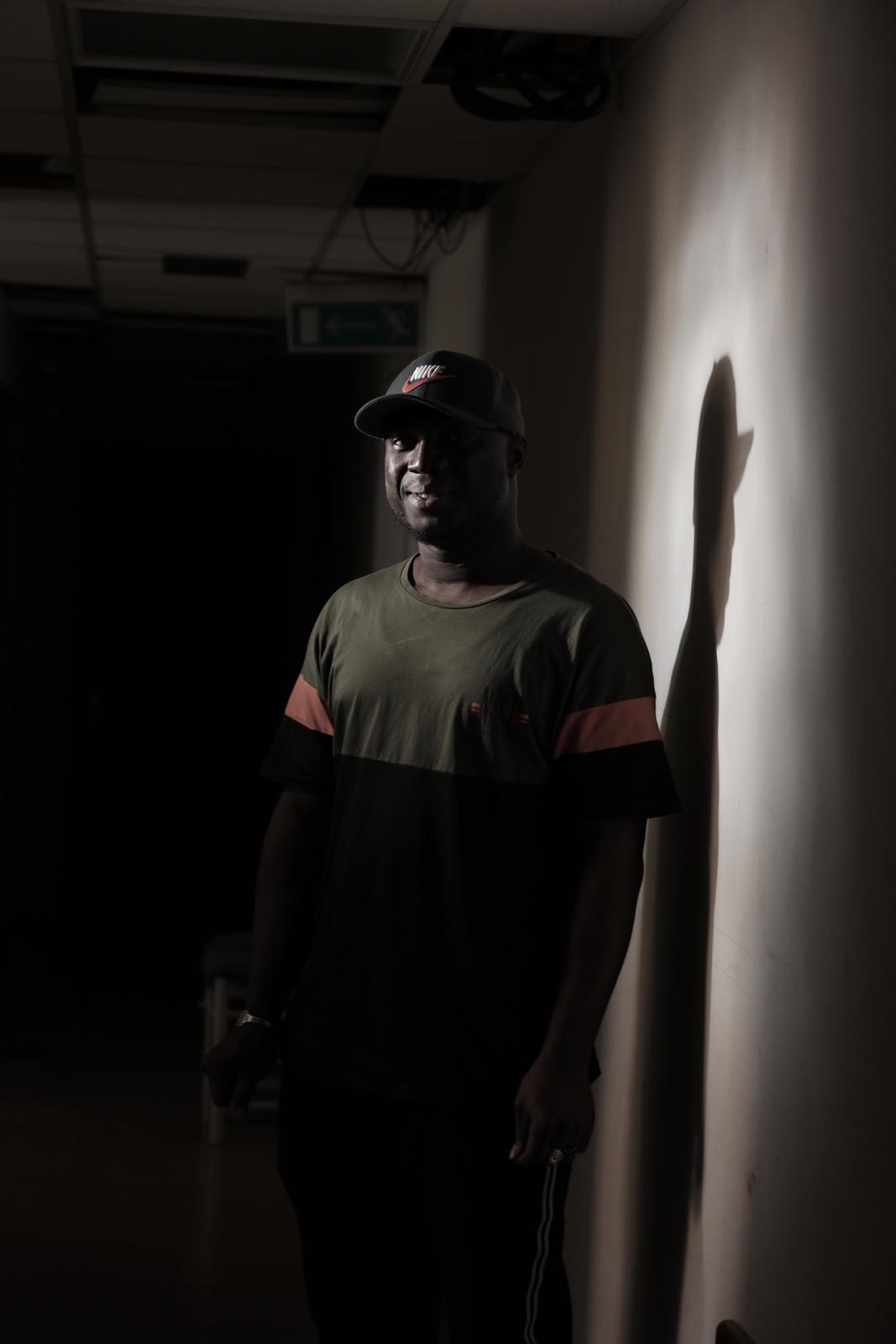
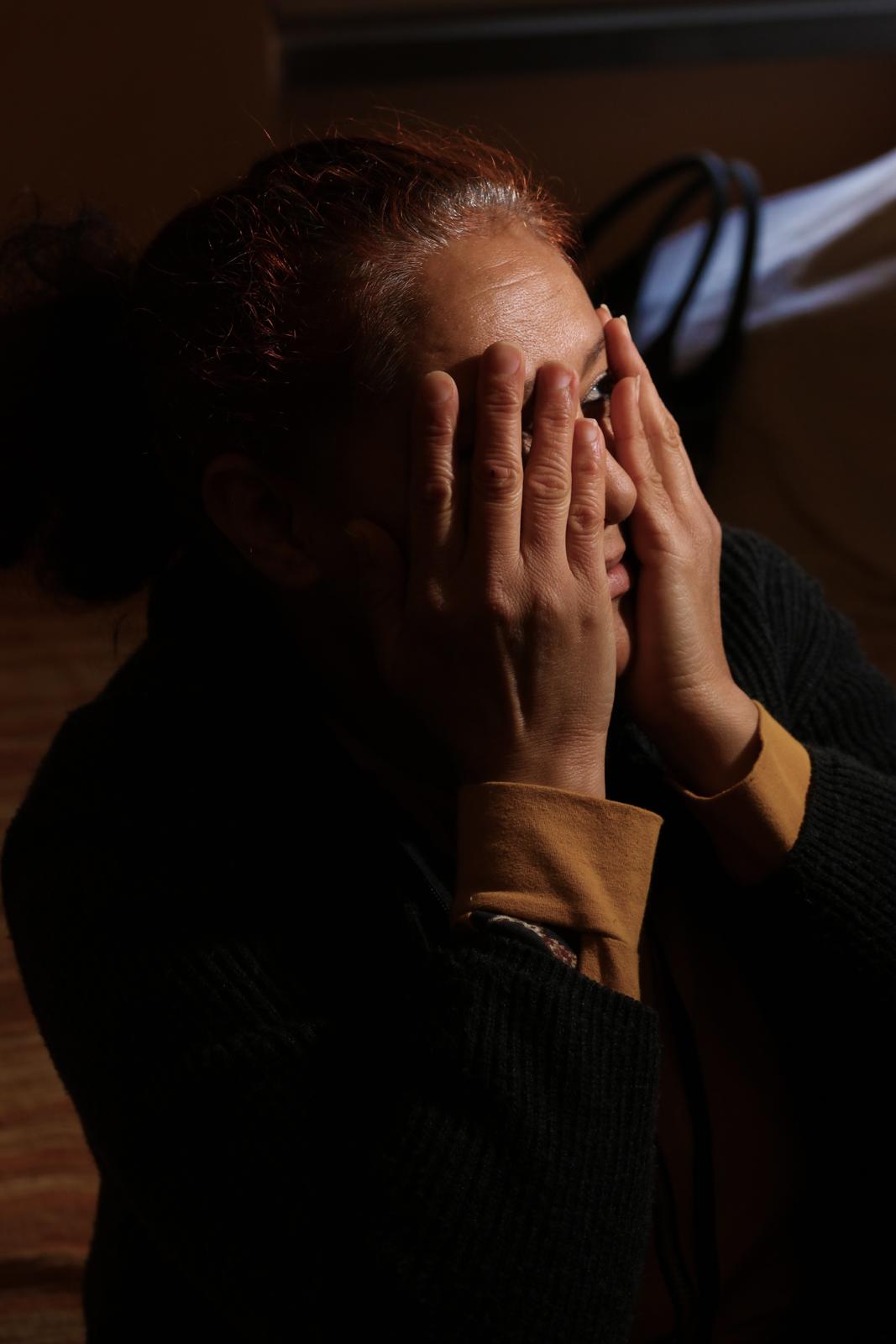
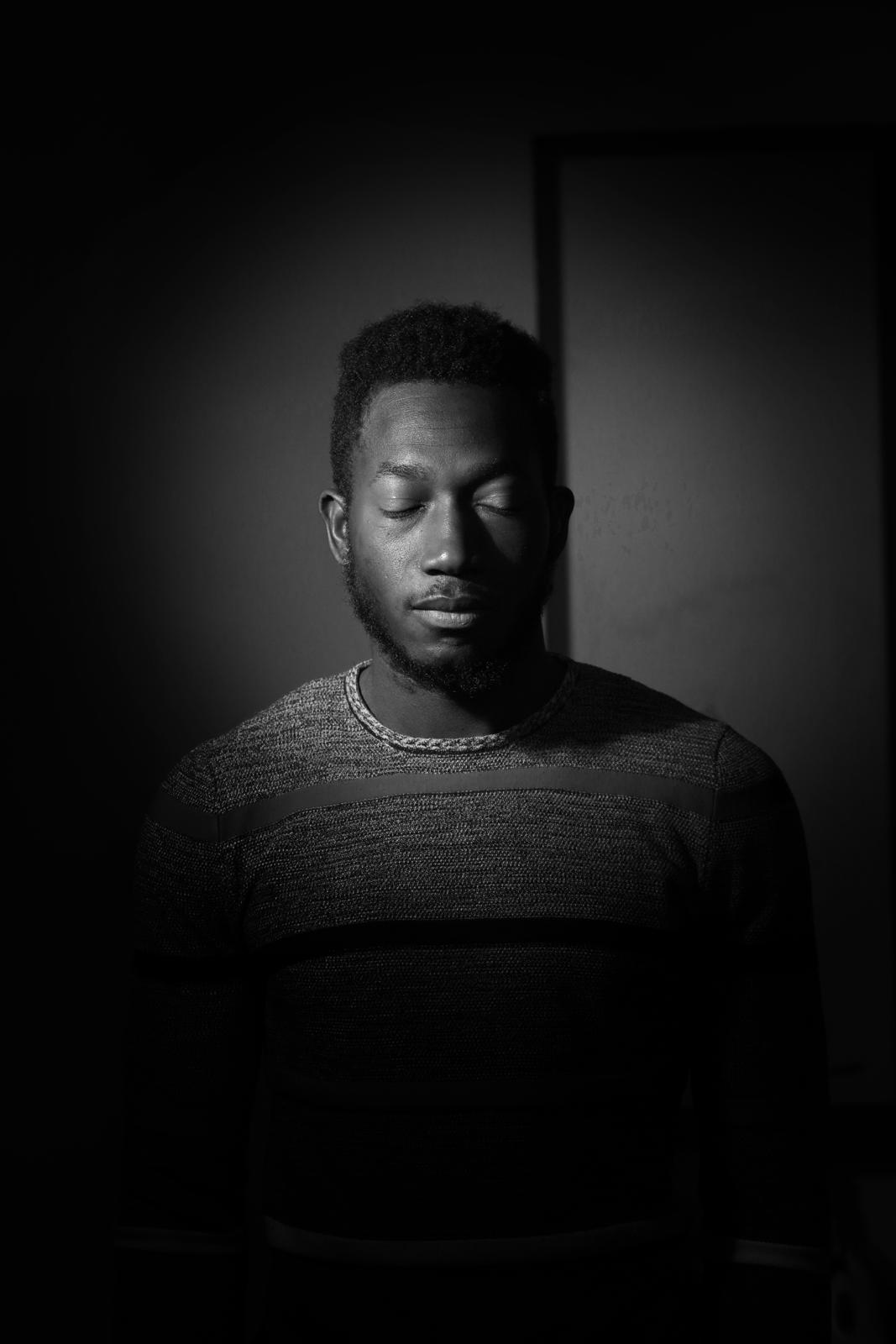
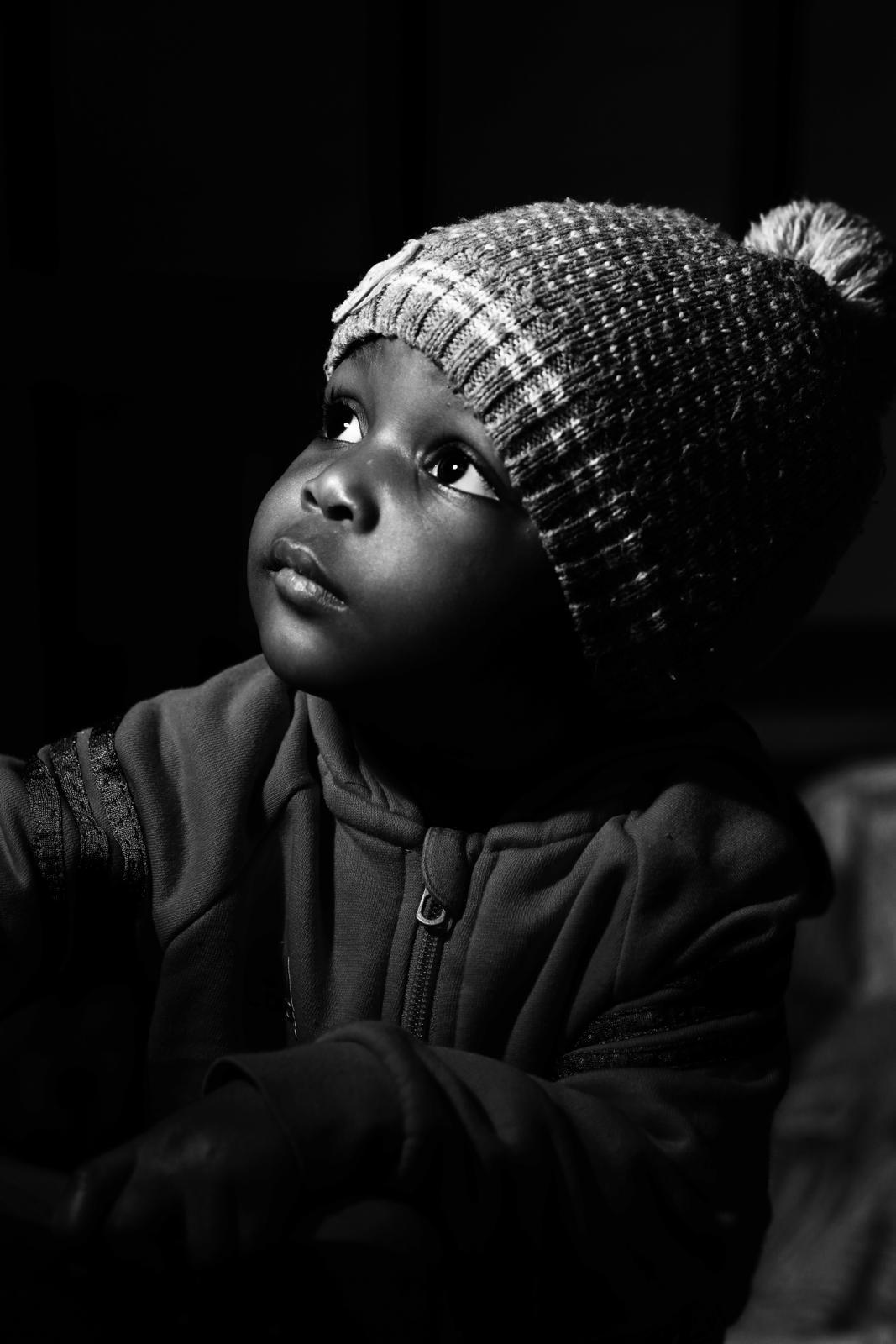
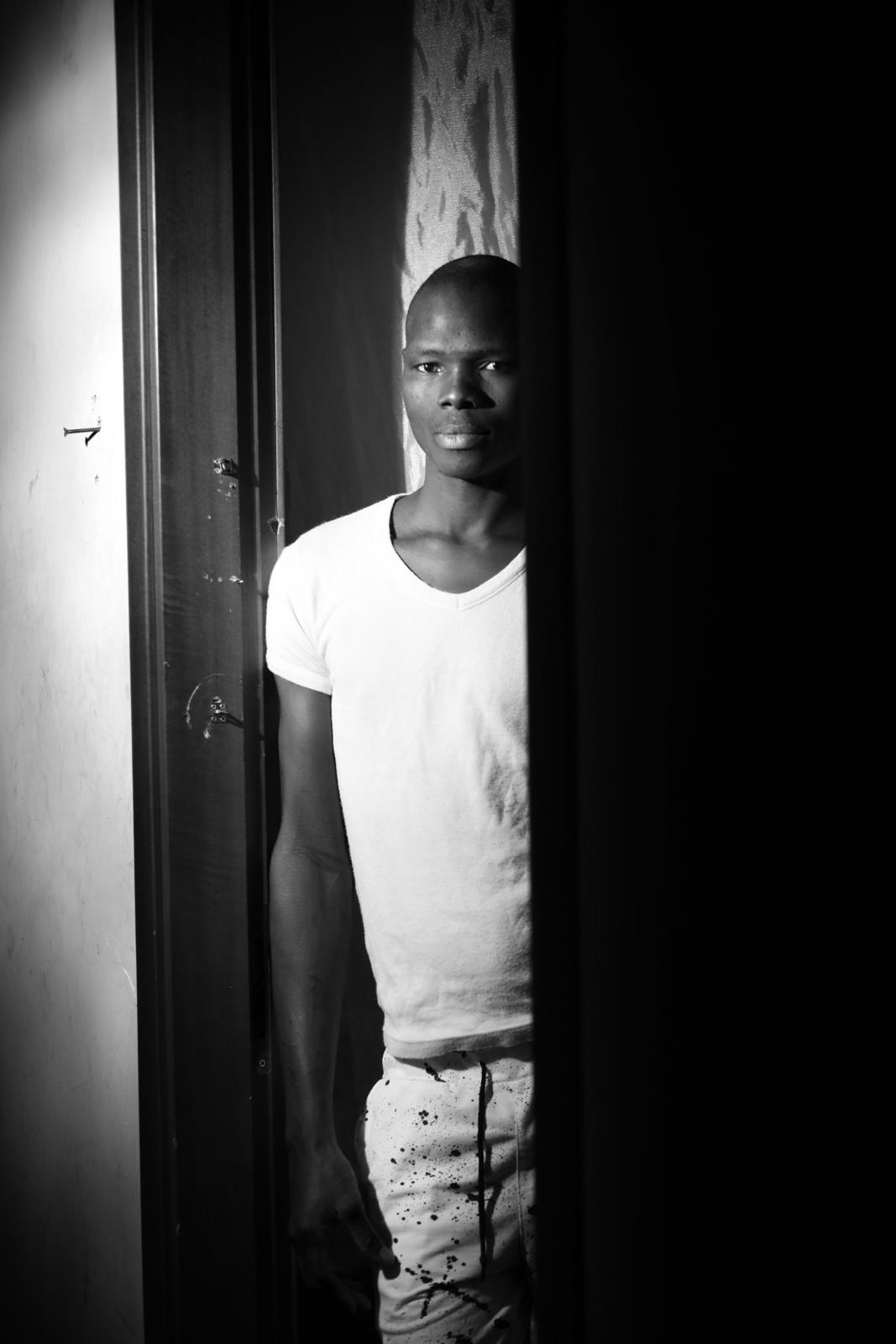
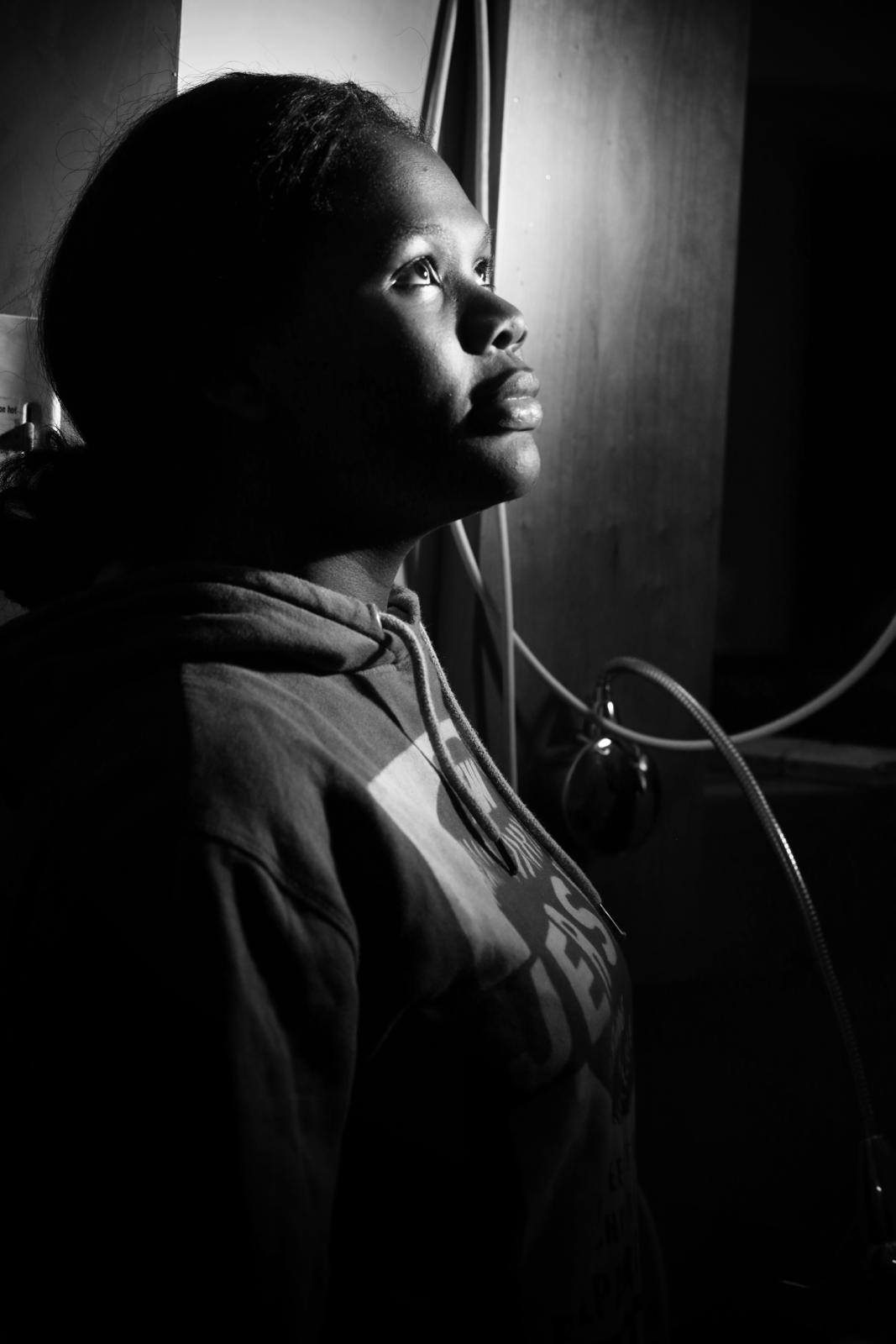
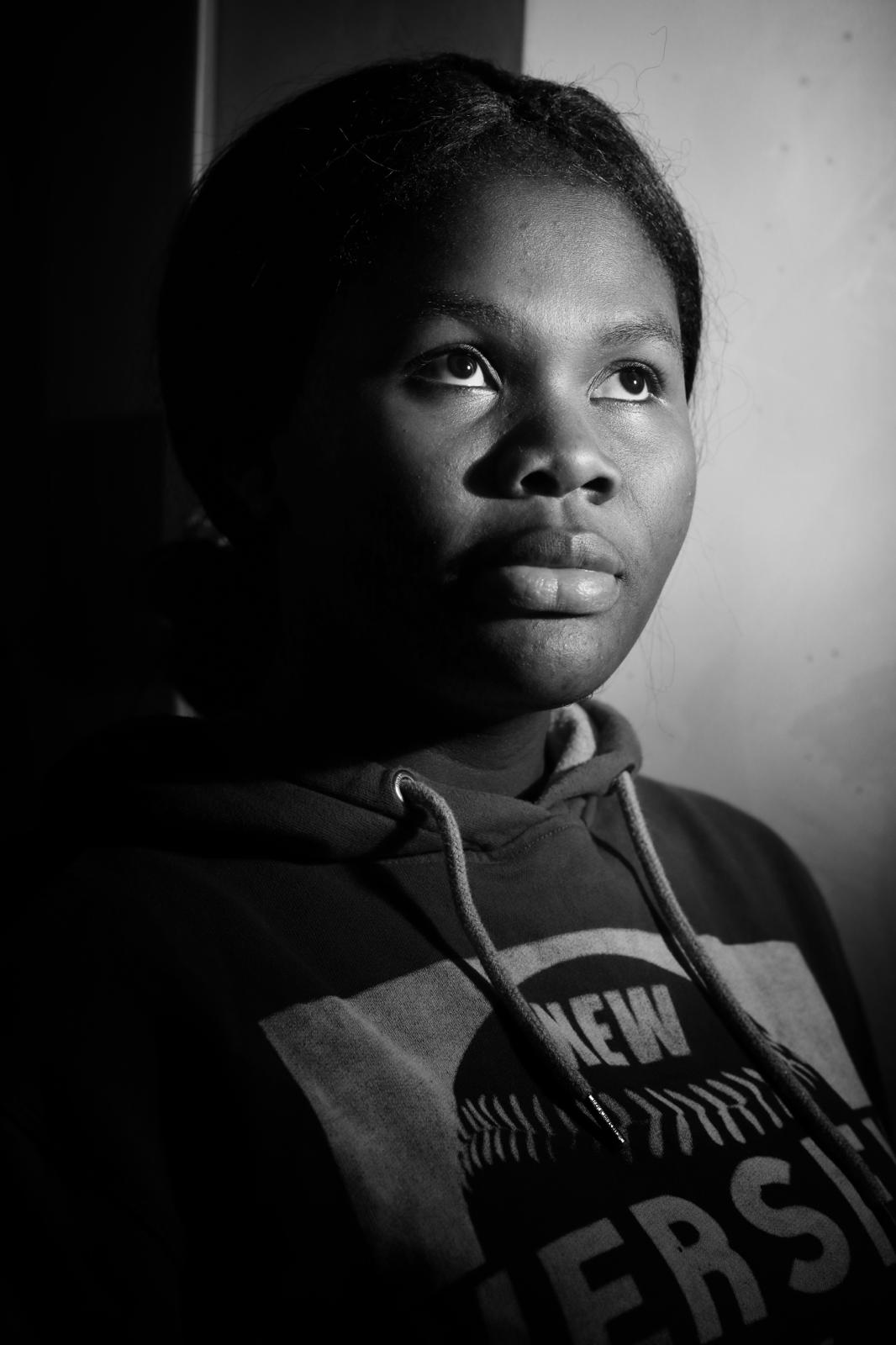
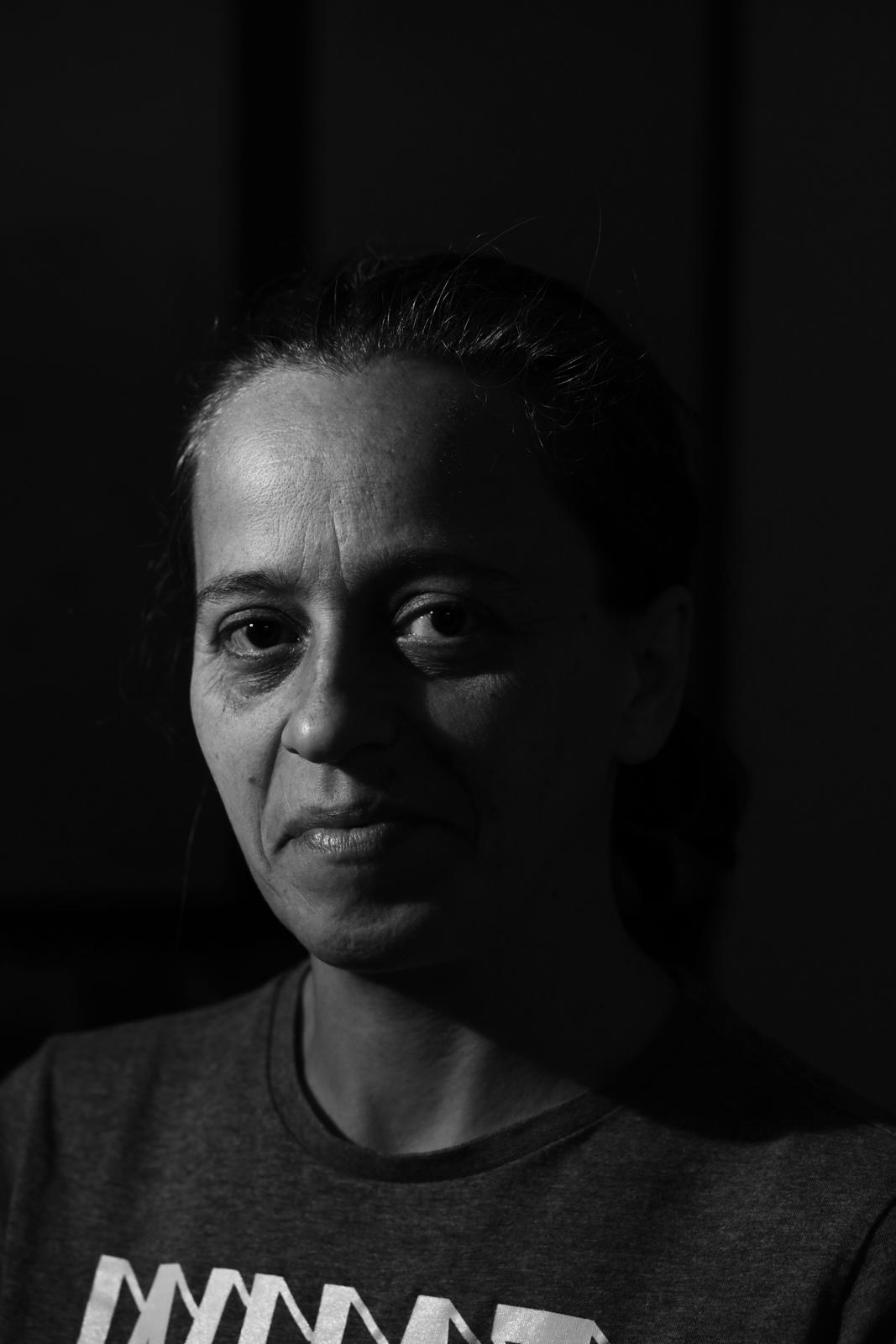
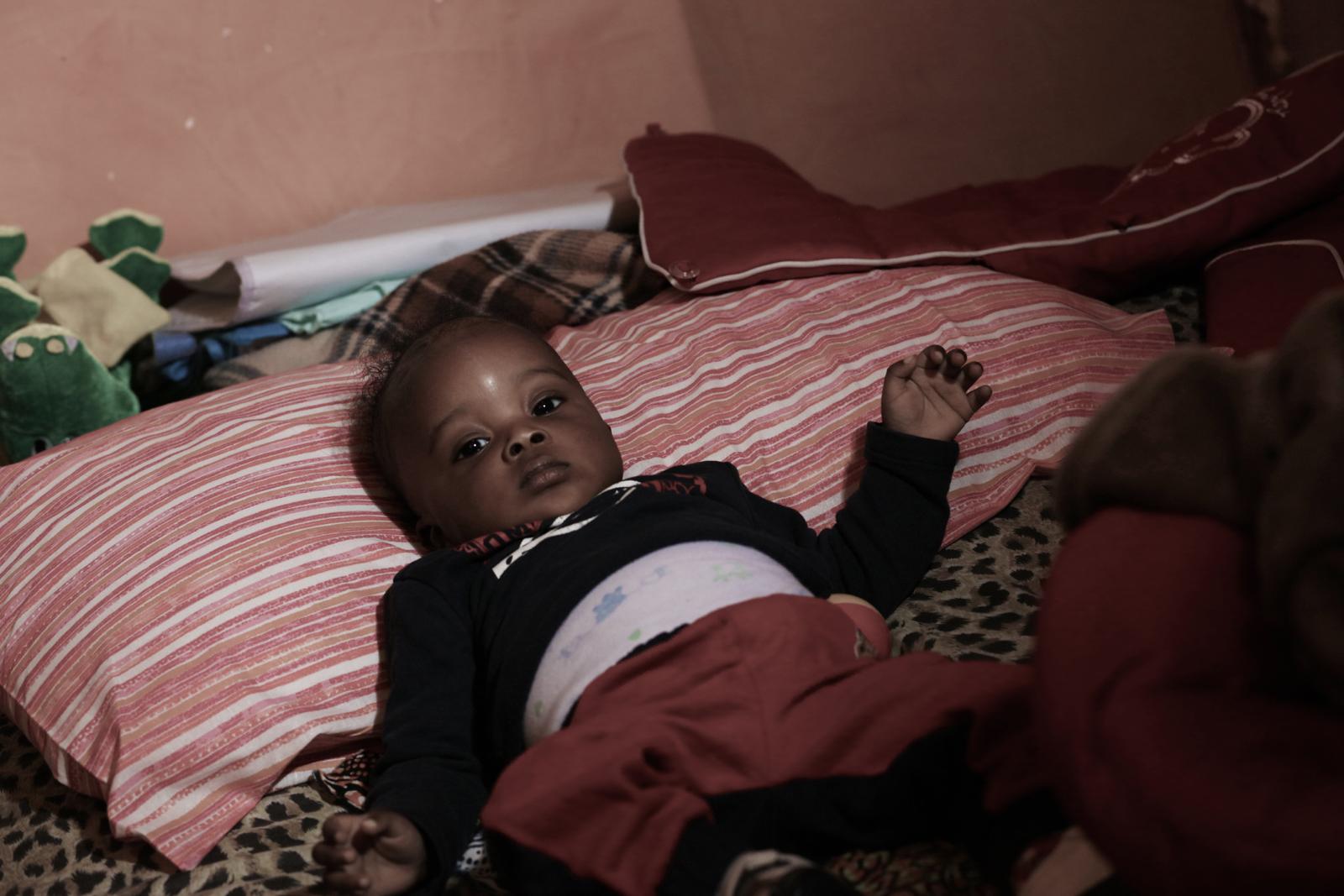
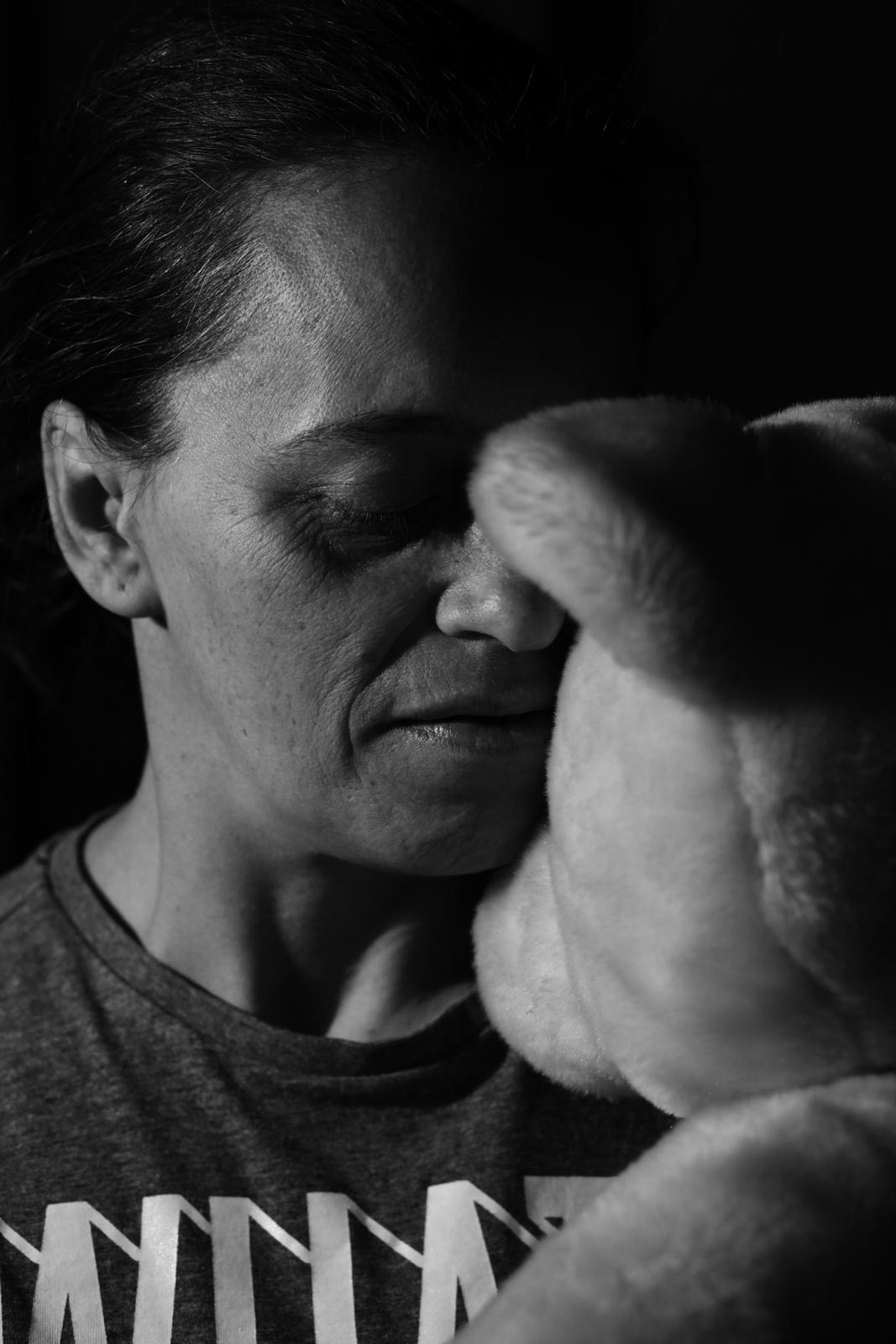
On 2 January 2019, I photographed people in the occupied building on Via Savoia in Cosenza. I return to those portraits as housing remains a social concern in Italy and my Aquarius photographs circulate again through MedPress. Between the sea and a room lies a question that runs through my practice: what space do we make for other people’s lives?
Via Savoia: a story within the city
The date of these photographs comes from my archive. The occupation began earlier: Médecins Sans Frontières’ second Fuori Campo report, published in February 2018, dates its beginning to November 2016 and describes Italian citizens and migrants living together in occupied buildings in Cosenza. This documented context helps us read the photographs without turning every face into a category.
The photographs cannot tell the whole biography of anyone depicted. They show an encounter: a profile portrait crossed by light, a figure in a doorway, two people sitting beside a bed. Light reveals a face and part of a room; other things stay outside the frame. That unseen space interests me as much as what I can bring into focus.
ATERP Calabria also documents a meeting at the Prefecture concerning Via Savoia, addressing both the recovery of the building and the housing emergency. Institutional documents and humanitarian reports approach the same place through different responsibilities. My portraits add the tangible presence of people.
Italy’s housing crisis, beyond ownership
Housing means affordable costs, adequate space, services and continuity in everyday life. ISTAT’s Bes 2024 report, published in 2025, records 5.6% of the population experiencing severe housing deprivation in 2024. This was close to 5.8% in 2023 and below 9.5% in 2014: the figures describe persistent hardship, not a uniform deterioration.
The national picture does not erase differences between cities, incomes and access to accommodation. Nor can a percentage replace the questions a room raises: can someone stay, rest, study or grow up here? Returning to Via Savoia means bringing those material conditions into my thinking about images.
Art and social questions: giving a face time
My interest in social questions crosses places and artistic languages. It concerns migration and inequality, but also the body, identity and how a person is seen. In photography, the relation between light and space can give attention to an everyday gesture. In painting, a room can become a way of exploring the relation between a body and its surroundings.
This question also appears in the Cycle of Rooms, while painting and photographic testimony remain distinct. Photographing an inhabited place brings a responsibility into the composition: to leave the person something the image does not claim to explain. Housing insecurity provides the context of this reportage, not a complete definition of the people portrayed.
From the Aquarius to Terra! and Where is the future?
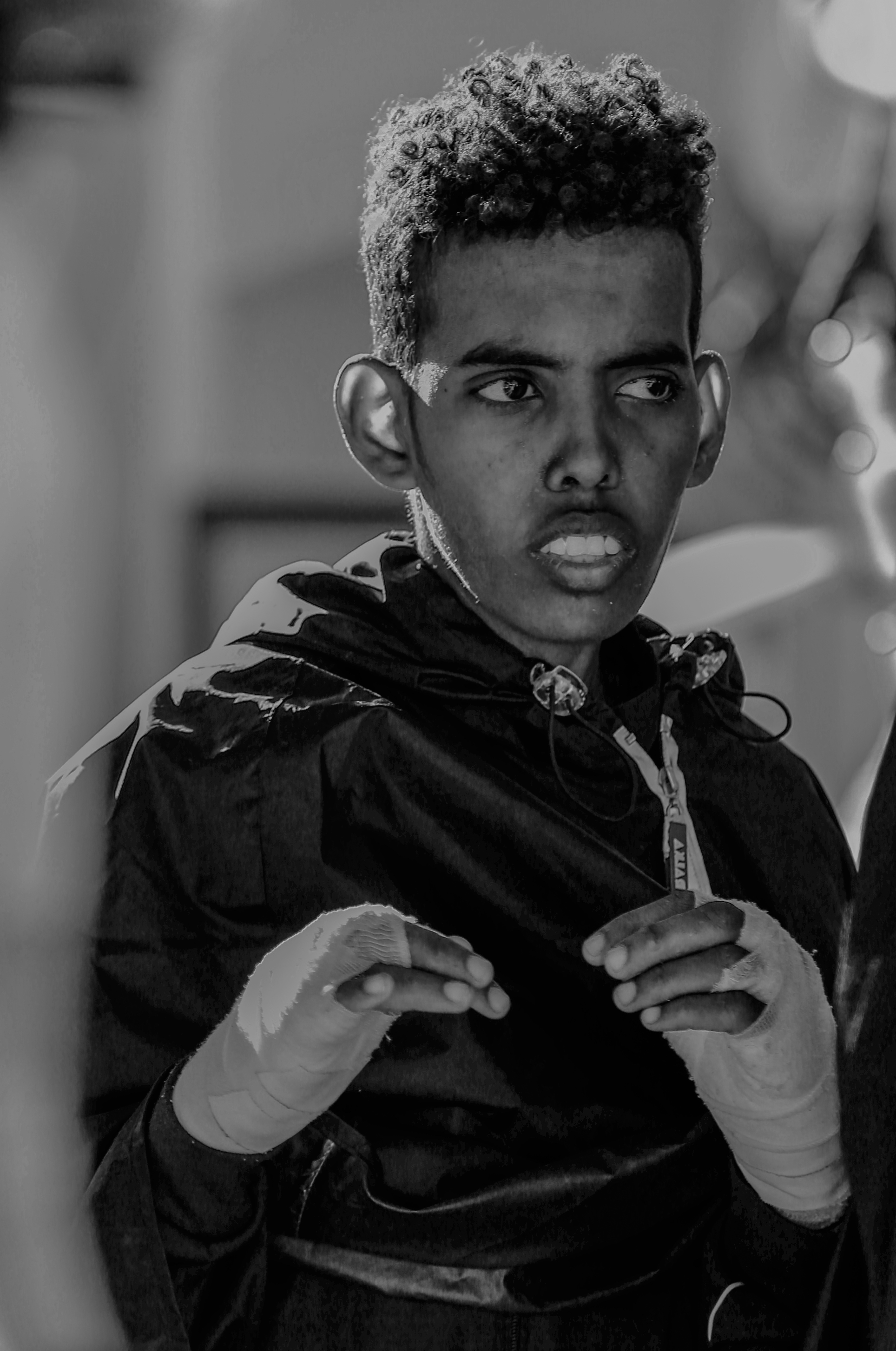
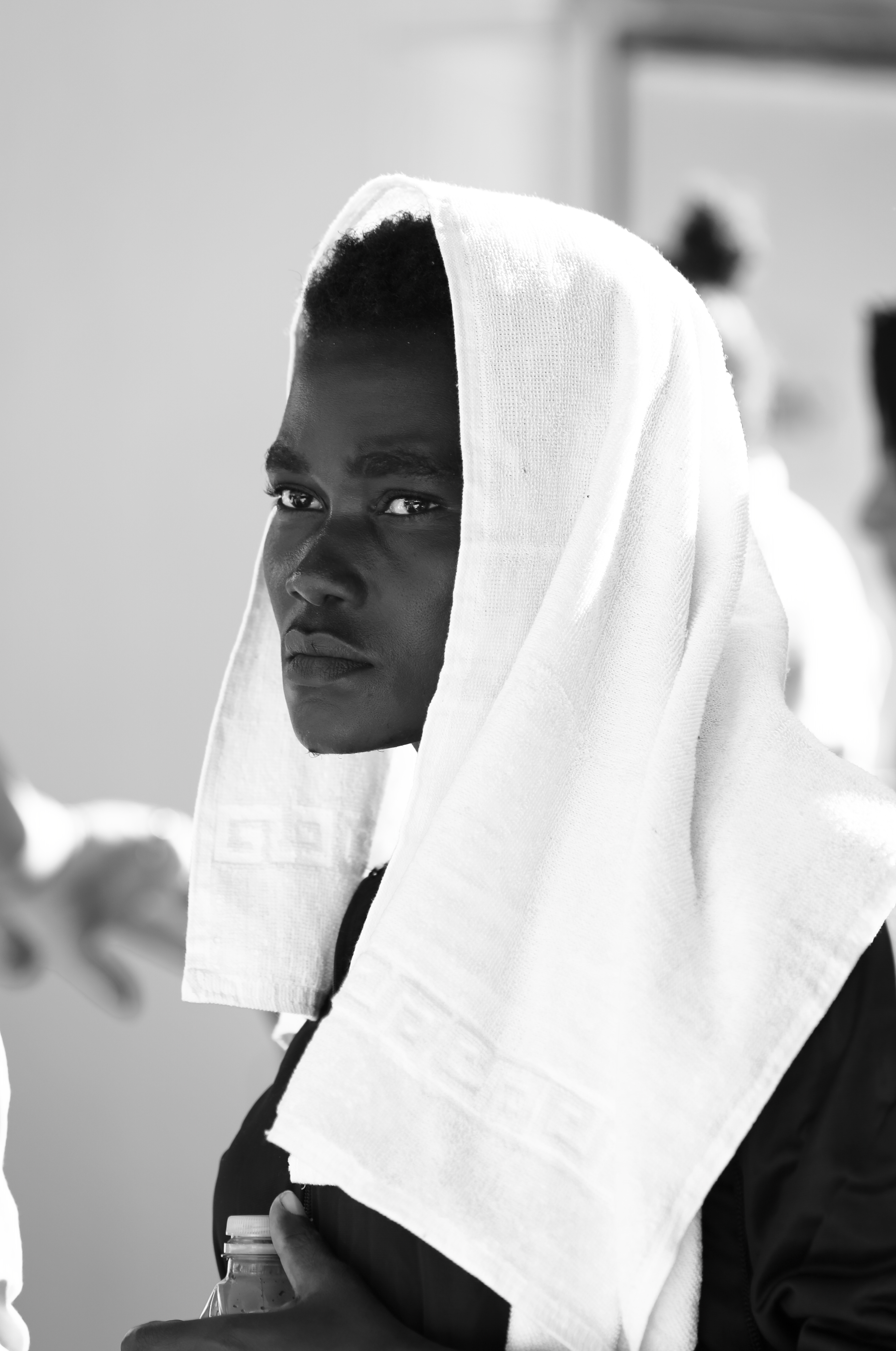
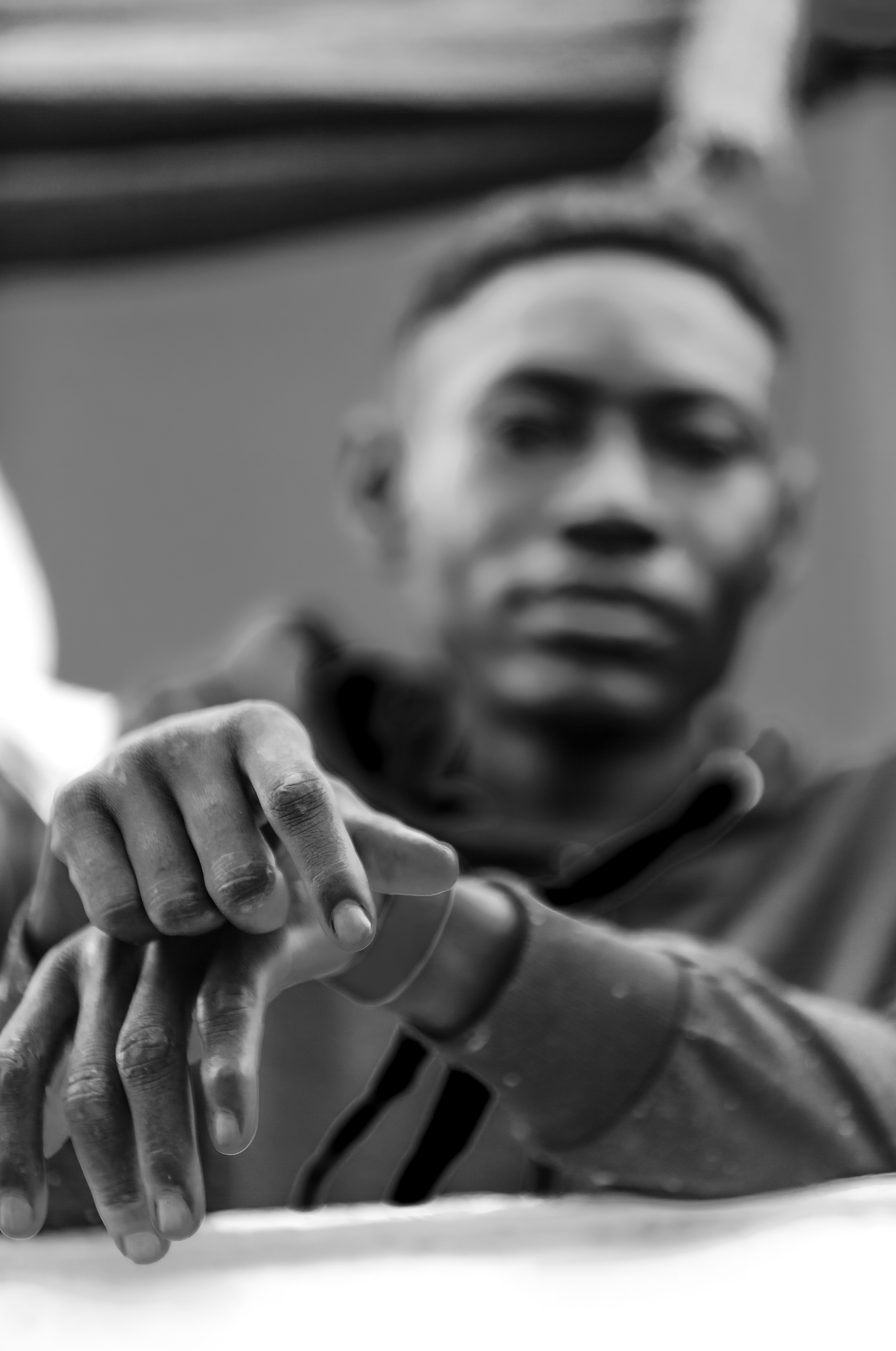
The three Aquarius photographs shown here belong to my 2018 reportage. The recent Diary post about MedPress links to Look at the Sea on Google Maps. My archive dates the photographs to 2018. The chronology of events discussed in the MedPress text, which also refers to November 2017, is distinct from the date of the pictures.
This work connects to Terra!, the exhibition held in Cosenza in December 2018. Moving from sea to land opens a further question: how is a life built after arrival? The Via Savoia reportage of 2 January 2019 belongs to this inquiry, without assuming that the people photographed in the two projects followed the same journey.
The question continued in Where is the future? Dove è il futuro?, presented at MACRO Asilo on 13 April 2019, through photographs, a short film and a discussion about migrants and people living in occupied buildings in Cosenza. It also returns in my reflection on Ceuta and the future after the sea. Borders and housing become parts of an ongoing attention to dignity, while remaining different experiences.
Aquarius, 2018: three photographs from the archive
This sequence precedes the Via Savoia portraits. Their juxtaposition follows my exploration of crossing and inhabiting.
To inhabit, to stay, to be seen
A photograph cannot provide a home or replace public policy. It can make it harder to discuss housing while forgetting the people who inhabit it. Looking at these pictures again, this is where I want to begin: with the time of an encounter and the possibility of recognising another person’s presence.
Photographs and use
© Massimo Scognamiglio. Aquarius: 2018. Via Savoia, Cosenza: 2 January 2019. These photographs are presented as archival documentation. Publication does not grant a reuse licence. To request permission to reproduce a photograph, contact the studio, identifying the image and intended use.