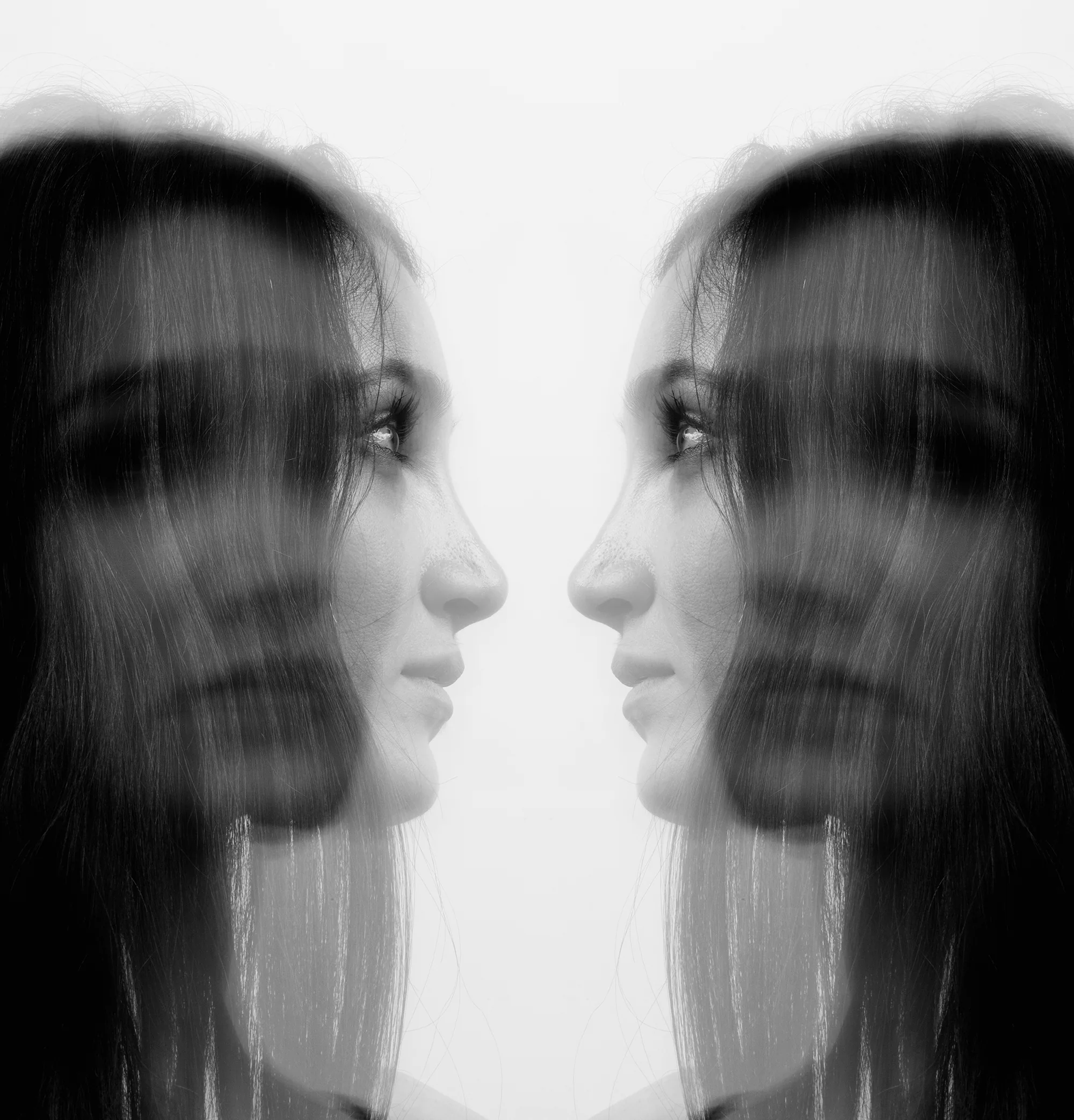
In photographic portraiture, authenticity does not mean an absence of direction. A person knows they are being observed; the photographer chooses distance, light, timing and framing; even the most spontaneous gesture emerges inside a relationship. The World Press Photo Contest’s 2026 code of ethics begins with this responsibility: documentary images must offer an accurate and fair representation of the people and stories photographed.
World Press Photo distinguishes a posed portrait from deceptive staging. Giving directions to a sitter does not automatically make a photograph false, but those directions must be disclosed in the caption. Subjects cannot be shown doing things alien to their ordinary lives merely to create a documentary effect. Faces and bodies cannot be altered by adding or removing physical marks.
Artificial-intelligence tools also have a clear boundary. Synthetic images and generative fill are not accepted; some automated tools may be used only when they introduce no new information and remove nothing recorded by the camera. This is not nostalgia for pure photography. It is a requirement that the audience can understand what belongs to the scene and what belongs to its transformation.
The code also stresses informed consent, dignity, safety, accurate captions and the danger of reinforcing stereotypes. In the 2026 verification process, work advancing through the contest is compared with original camera files and its context is fact-checked. Authenticity, then, is not an aura: it is a chain of choices that must be explainable.
For the 2025 Taylor Wessing Photo Portrait Prize, the National Portrait Gallery offered a broad but concrete definition: photography concerned with portraying people while emphasizing their identity as individuals. The prize welcomed commissioned portraits, intimate moments and series. Different forms were connected not by the illusion of absolute neutrality, but by the need not to reduce a person to a type.
What makes a photographic portrait authentic?
Short answer: a portrait is authentic when it makes the relationship between photographer and subject understandable, does not alter content to mislead, treats the person with dignity and discloses choices that can change the image’s meaning. Being posed does not mean being false; concealing the construction can make it so.
In my Mindful Portraits, a portrait is an exceptional moment of relationship between two individuals. It can change the photographer and the person being photographed because it asks both to enter a state of presence. The camera protects no one from that intensity; it can only register the distance, trust and possible imbalance entering the frame.
A portrait stops protecting when beauty becomes an alibi: when direction is concealed so that a constructed moment appears spontaneous; when retouching erases a history from the body; when a caption reduces a complex identity to a category; when consent obtained in front of the lens ignores the image’s future circulation.
In the Strappi, I begin instead with faces already protected by the perfection of fashion and advertising. I tear, reassemble and paint them. I do not present that intervention as a neutral document: I make it visible. The surface stops defending the ideal image and exposes the tension between identity, desire, consumption and fragility.
Across documentary photography, portraiture and fashion, my position remains this: an image is not authentic because it promises the whole truth about a person. It becomes authentic when it does not conceal how that partial truth was constructed. A portrait should not protect an illusion. It should accept responsibility for the encounter.