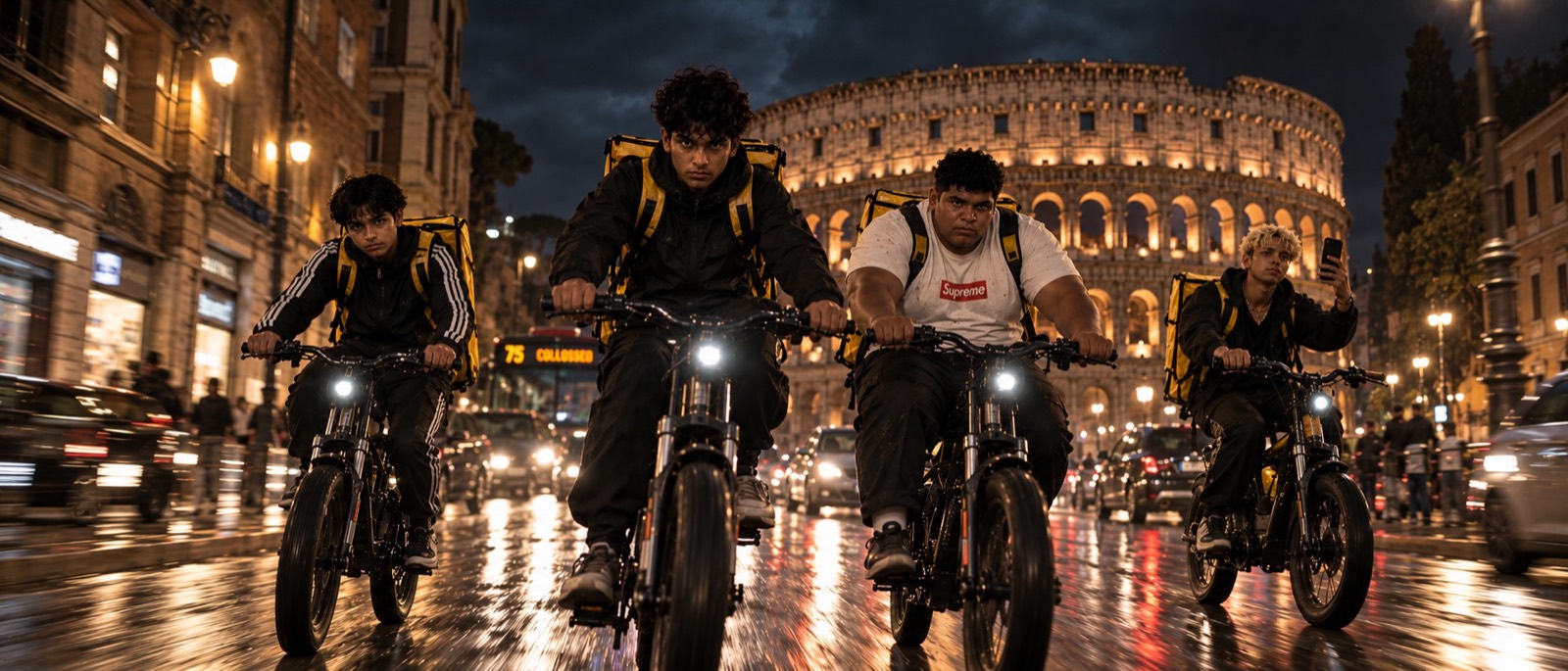
Riders on the Storm: Rome on the shoulders of those who cross it unseen
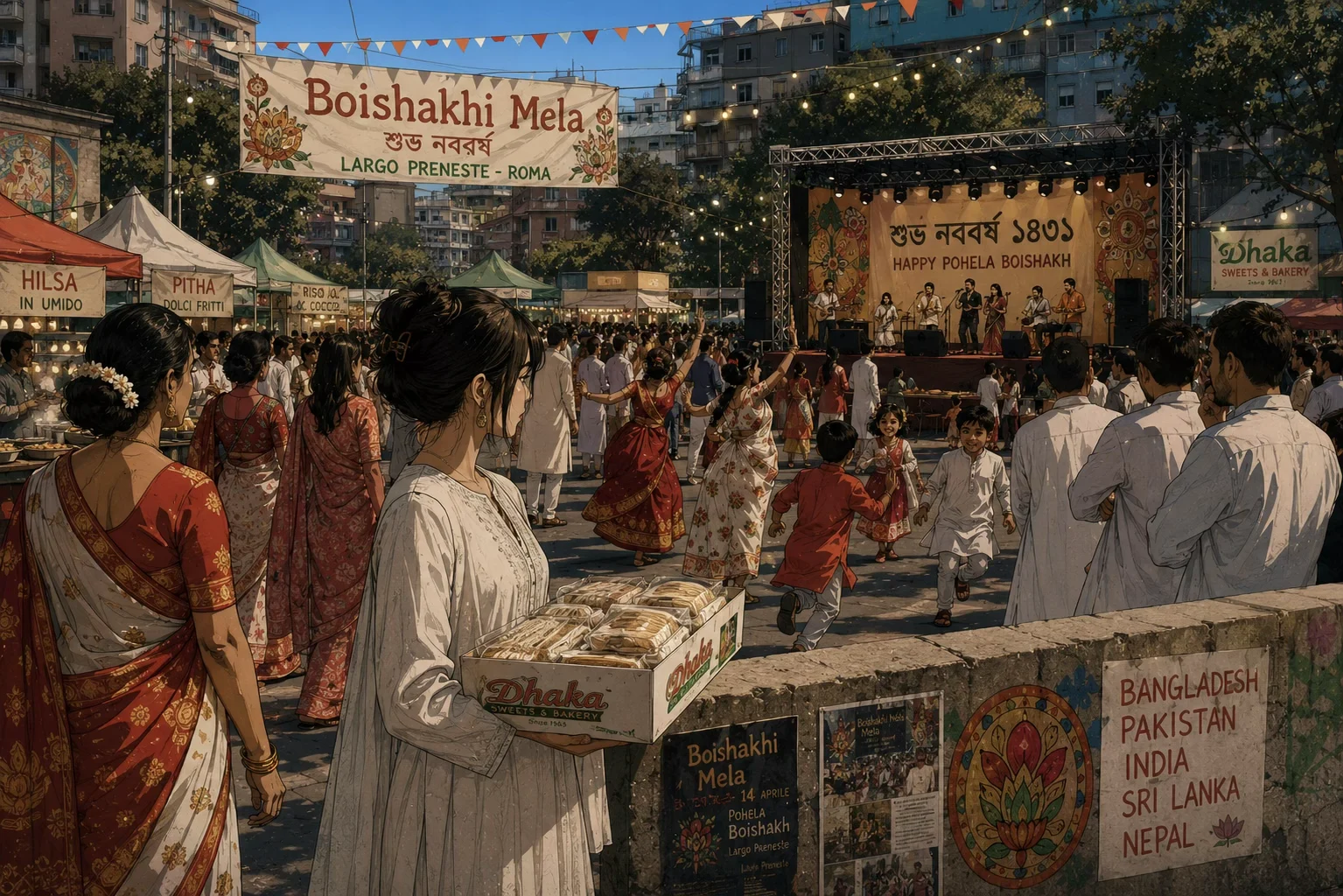
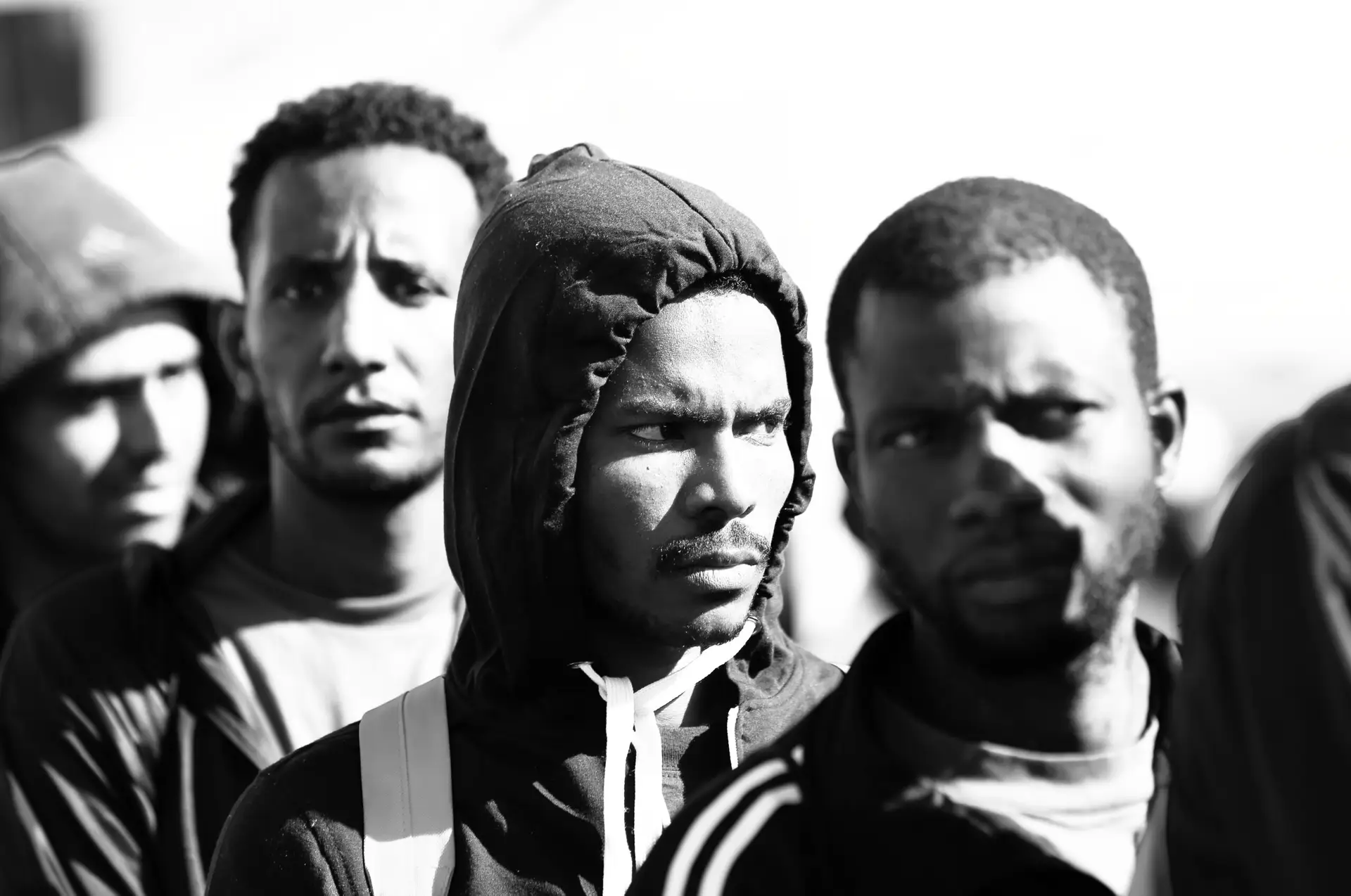
Riders on the Storm enters the invisible Rome of Bengali delivery riders: a crew, a livestream and the voice of Apa, the woman behind Dhaka Mini Market.
Author reflections, art, photography, books and verified stories connected to Massimo Scognamiglio’s work.

Riders on the Storm enters the invisible Rome of Bengali delivery riders: a crew, a livestream and the voice of Apa, the woman behind Dhaka Mini Market.

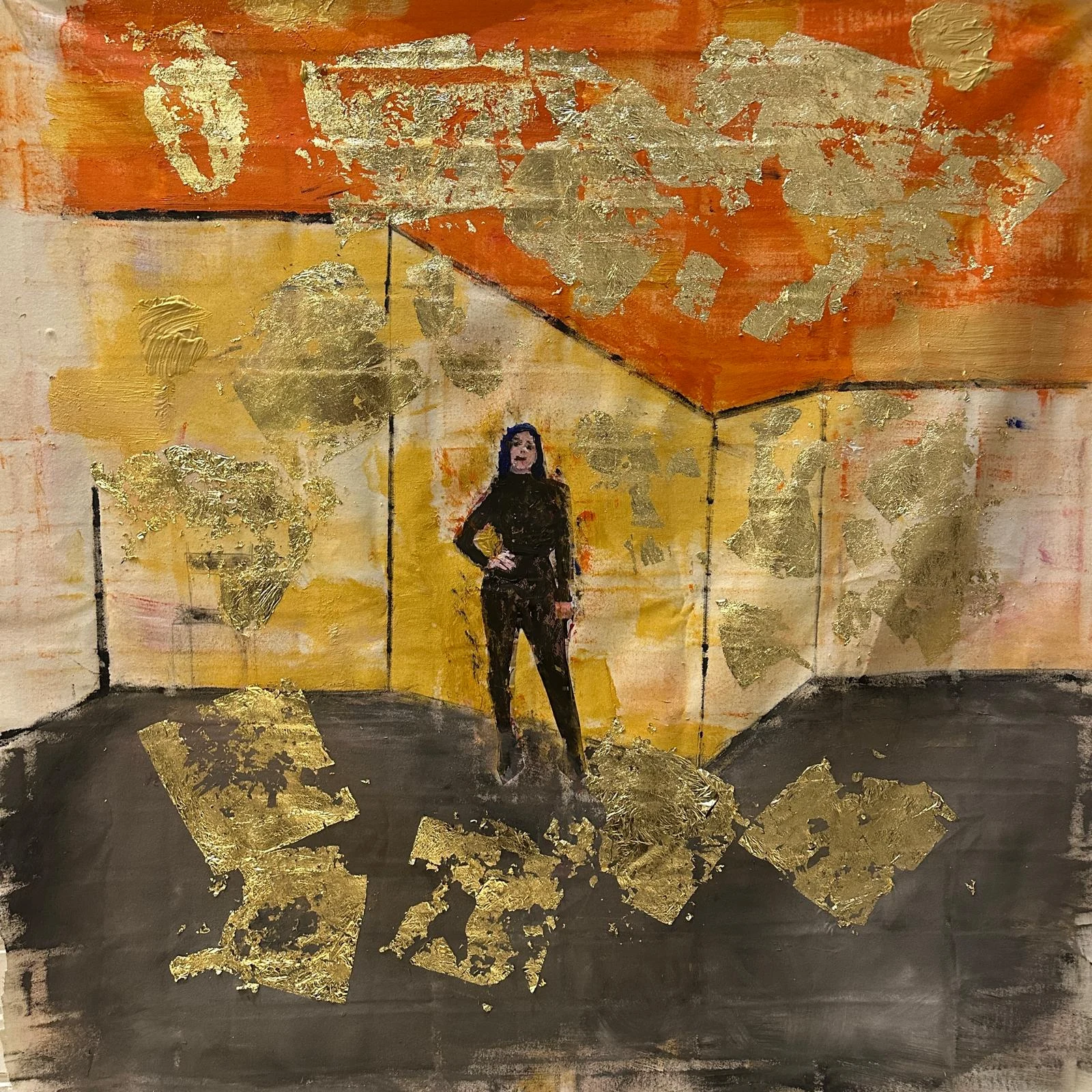
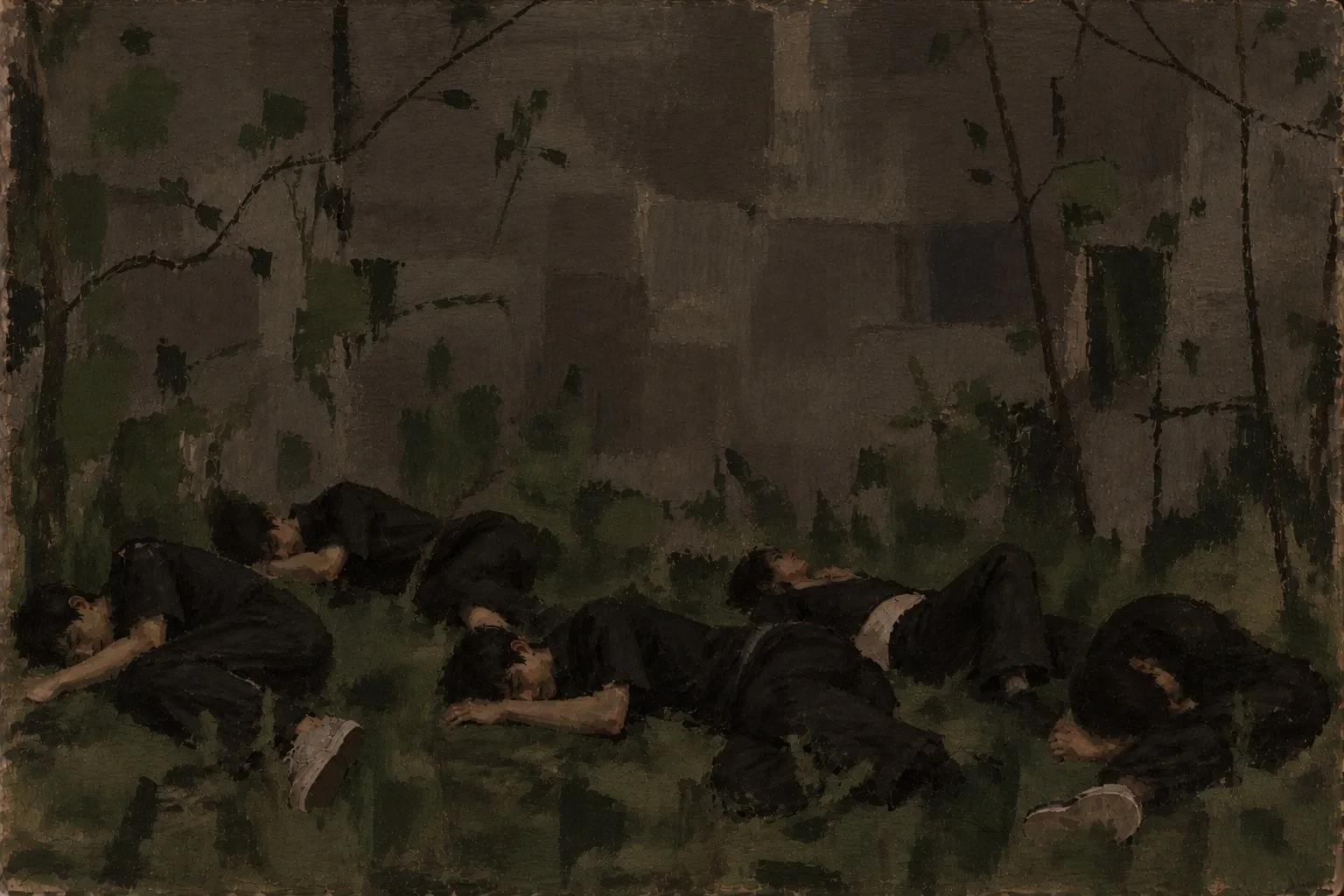
Massimo Scognamiglio reflects on The Gold Standard, a new cycle in which painting returns to synthesis and gold becomes a measure of beauty, power, violence and human fragility.

From artificial intelligence in 2042 to a 1900 Milan addicted to images: a conversation about Cronache al di là del tempo, the power of technology and the question running through the entire collection.

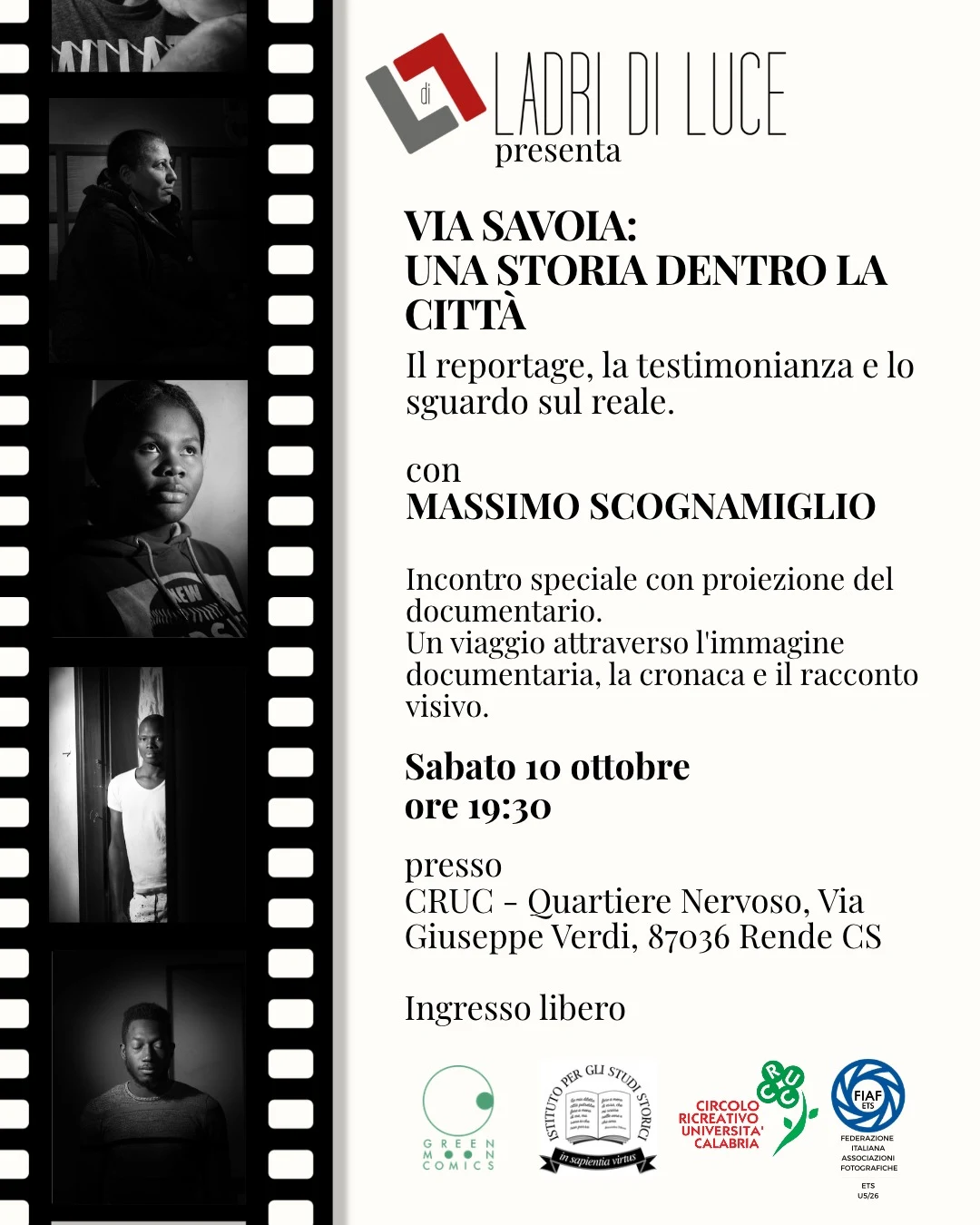
The day after Punk Aristocracy opens, Massimo Scognamiglio joins Ladri di Luce for a talk on social reportage, a screening of the Via Savoia documentary and a conversation about the relationship between fashion, identity and testimony.

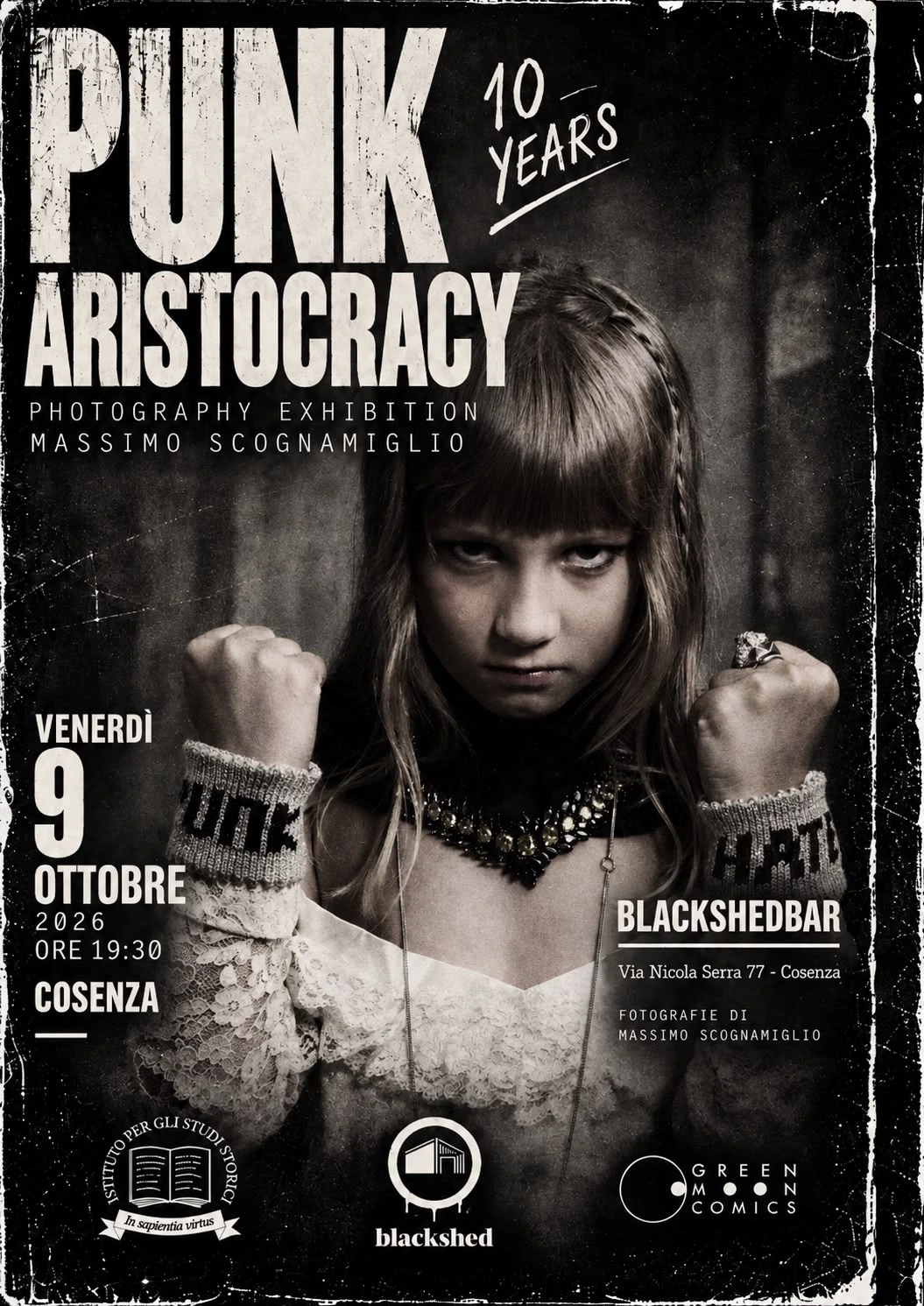
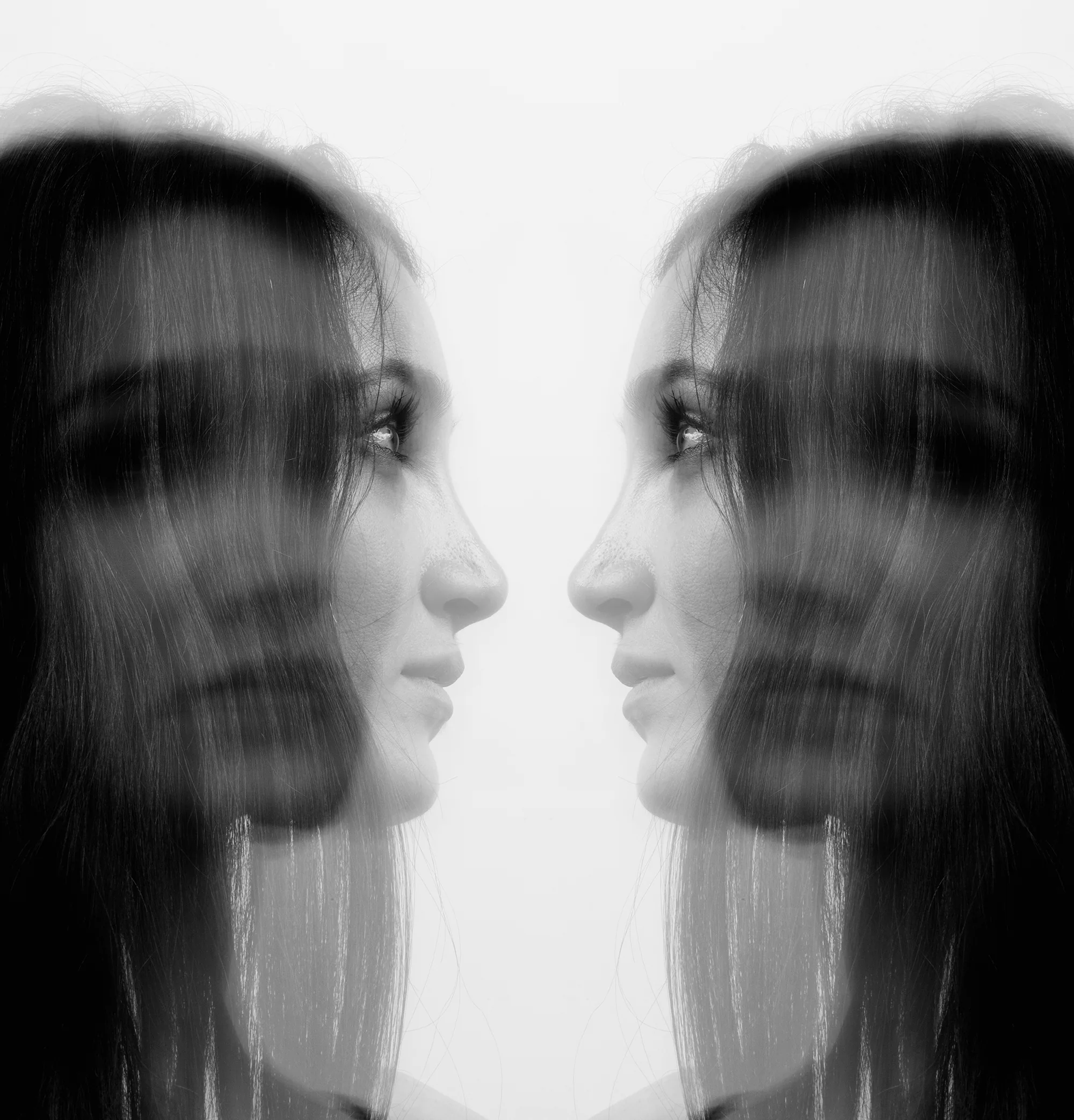
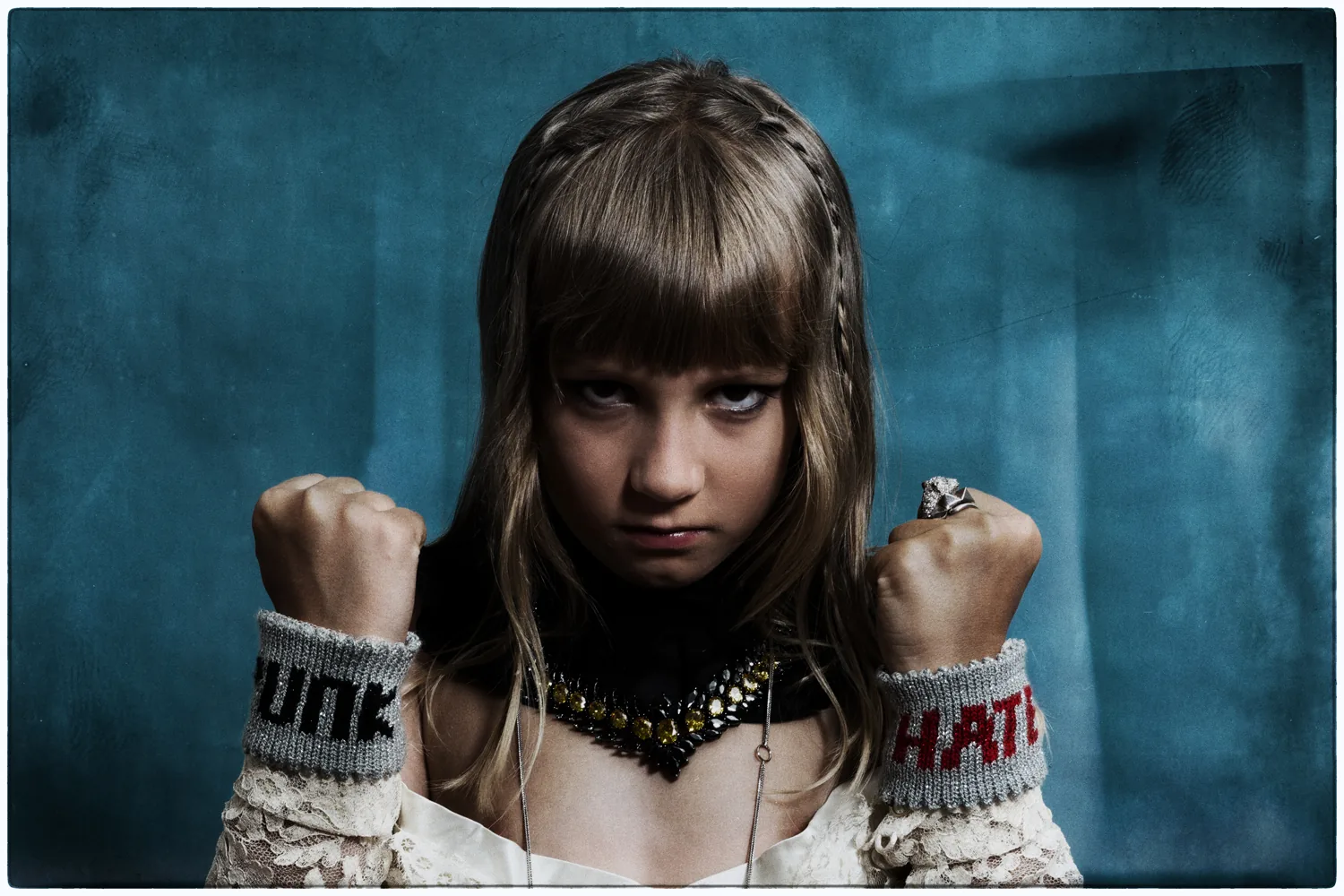
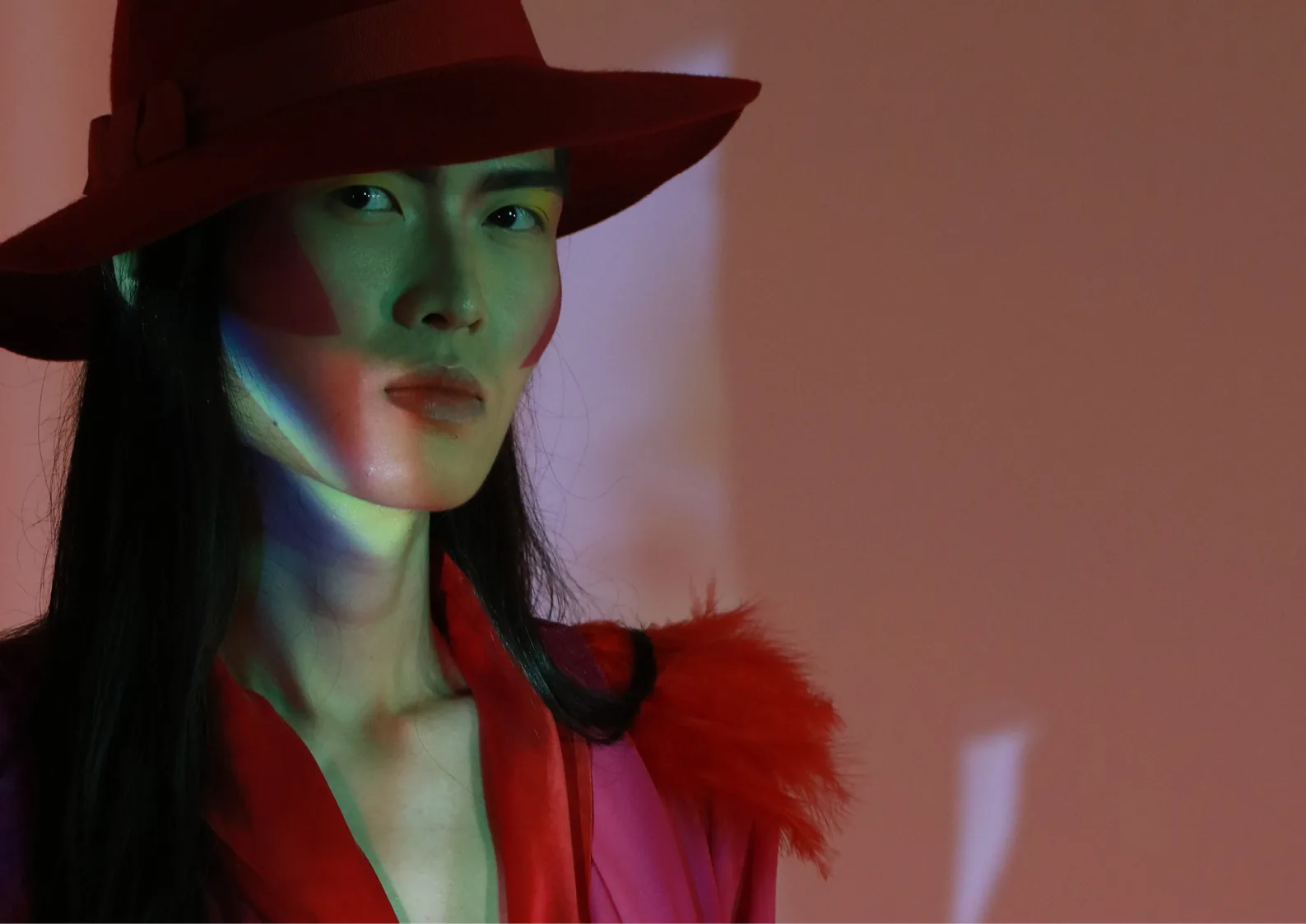
On Friday 9 October 2026 at 7:30 pm, Massimo Scognamiglio’s Punk Aristocracy photography exhibition opens at BlackShedBar in Cosenza, marking ten years since the project began in 2016.

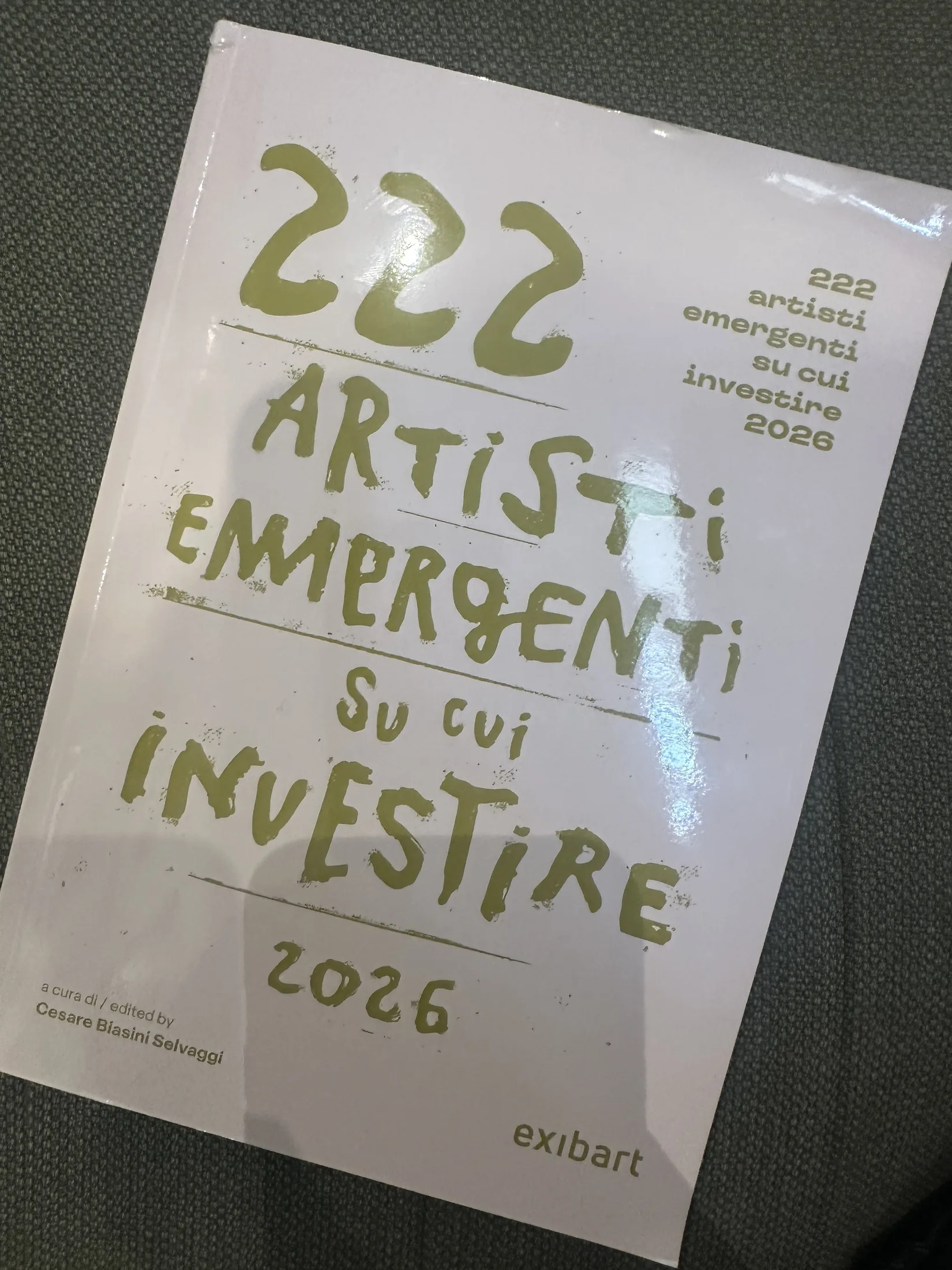
Why Exibart’s 222 has become a reference publication for reading artists of cultural and commercial interest in Italy, what it can actually measure and why selection does not amount to a financial promise.

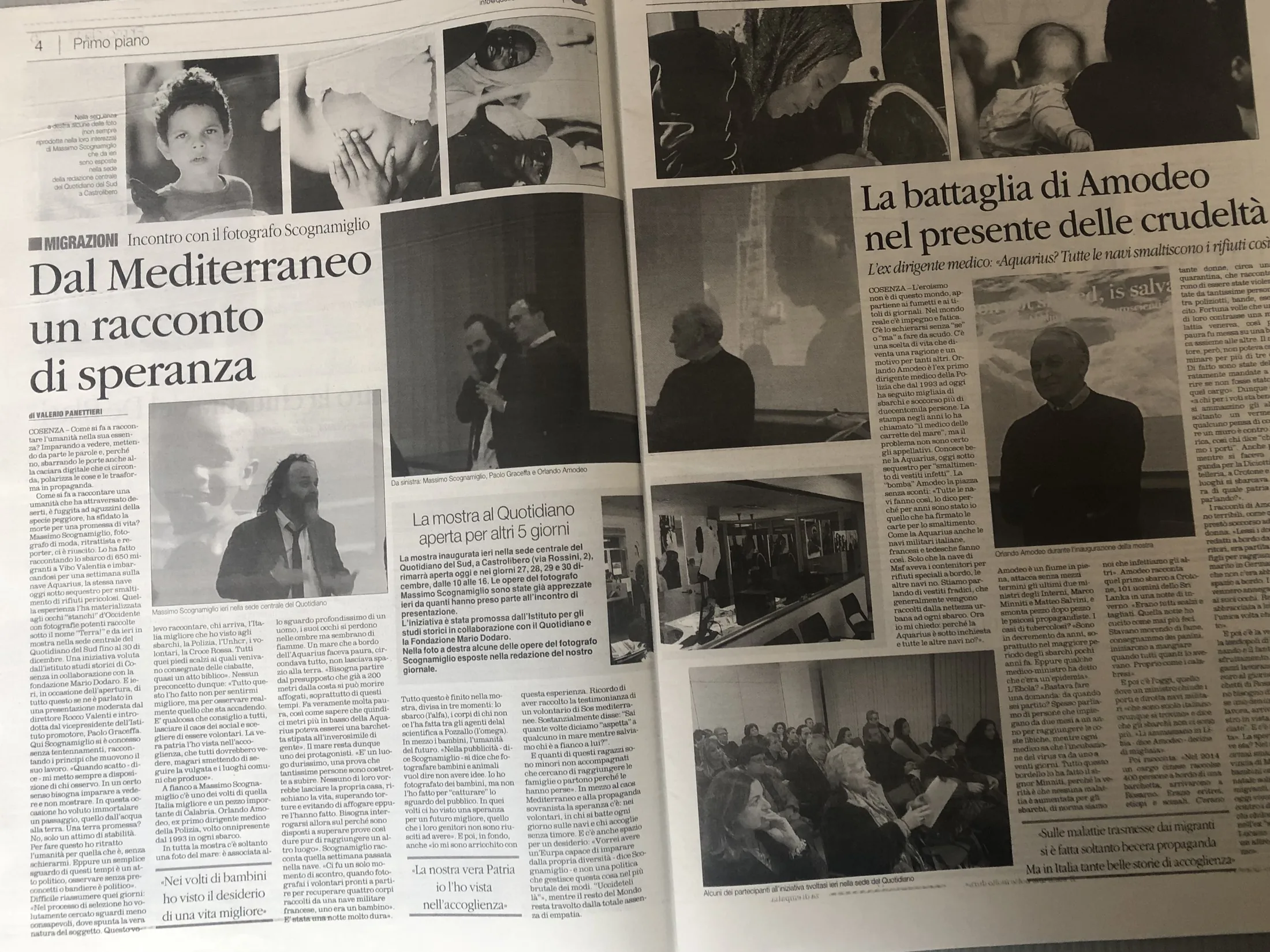
My Via Savoia portraits, taken in Cosenza on 2 January 2019, meet Italy’s housing crisis. A path from the Aquarius to Terra! and MACRO Asilo.

What affordable art really means: market data, fairs and practical criteria for choosing original works under €1,000, €2,000 and €5,000, with an independent reading of Massimo Scognamiglio’s practice.

MedPress publishes my Aquarius photographs in three languages. From Terra! to MACRO Asilo, an ongoing inquiry into migration, identity and the future.

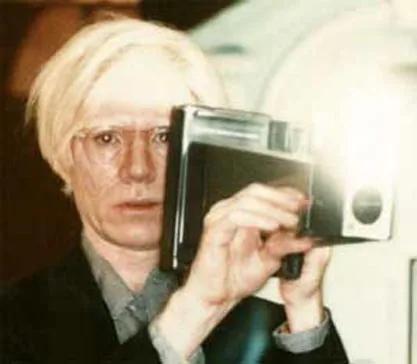
A sourced reading of Andy Warhol’s use of the Polaroid Big Shot and a personal reflection on instant photography in the De Couture Bags campaign.

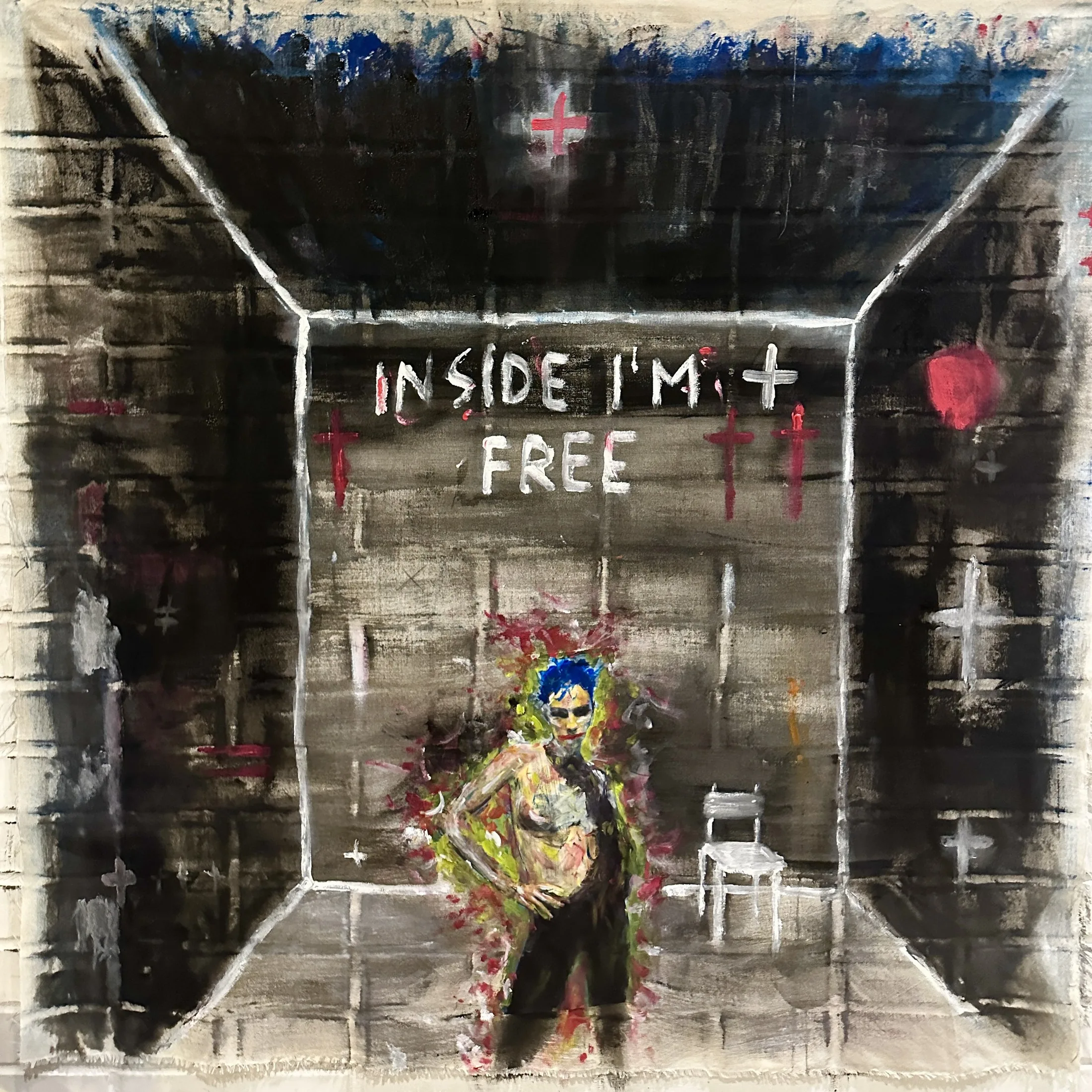
A sourced reading of Jean-Michel Basquiat’s lesson on words and painting, followed by a personal reflection on Inside I’m Free and the Cycle of Rooms.

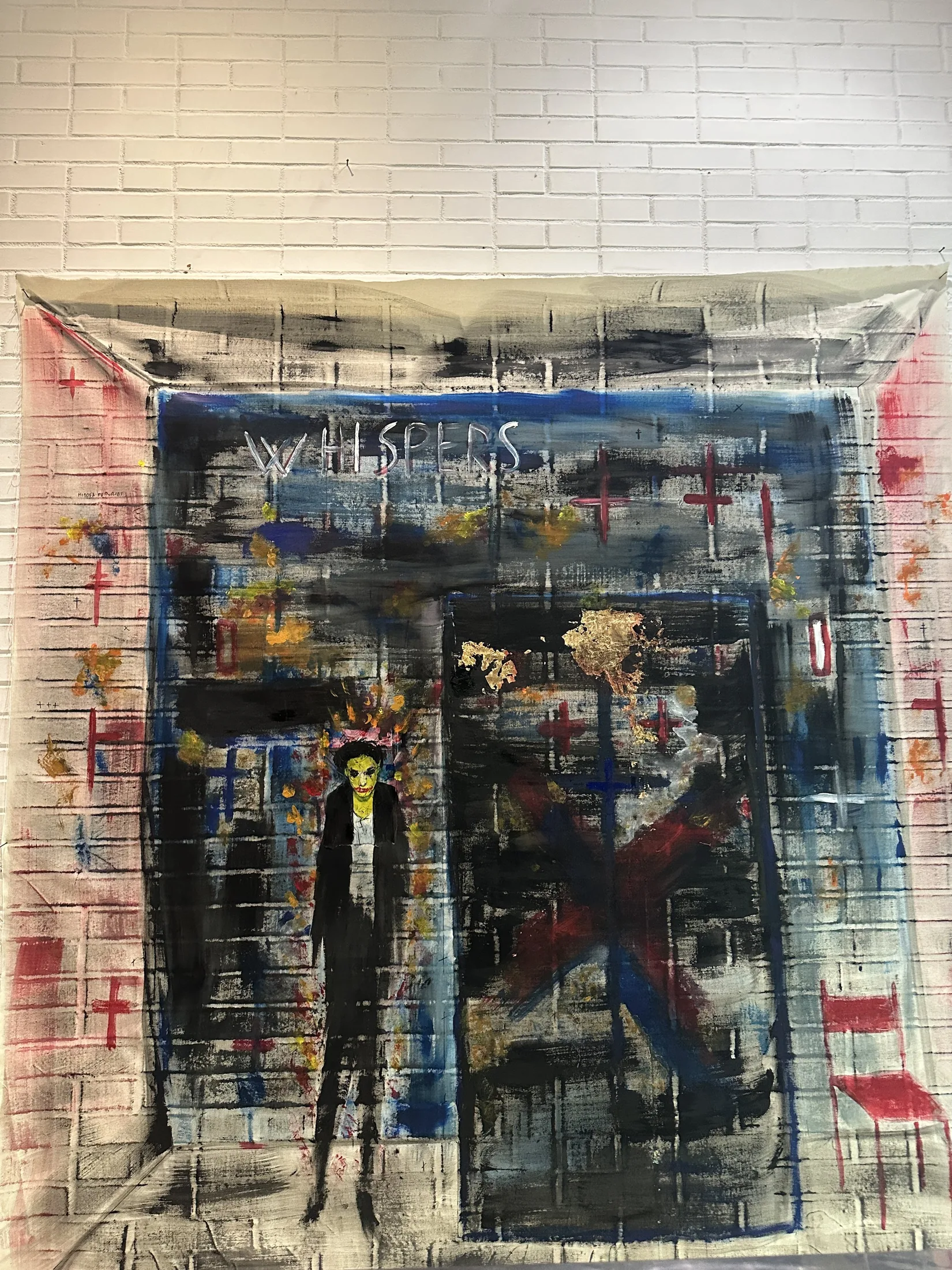
Jenny Saville’s Ca’ Pesaro exhibition and Francis Bacon’s example open a personal reflection on the Cycle of Rooms, two mixed-media works on canvas and the trajectory of an Italian mid-career artist.

From one-to-one verification to biometric identification in CCTV footage: where facial recognition is used, the limits set by the EU AI Act and its connection with The Age of Silence.

World Press Photo’s 2026 rules on posing, retouching, consent and AI reopen the question of authenticity, from Mindful Portraits to the Strappi.

In 1976 punk broke with the rock establishment. Ten years ago, with Punk Aristocracy, I photographed what happened next: rebellion absorbed by fashion, luxury and television without entirely losing its force. A tenth-anniversary edition of the project will soon be shown in Cosenza.

Thousands of young migrants are still waiting in Ceuta, on beaches, in woods and in temporary shelters. ARTE calls it a suspended future. It is the same question that ran through the film and photographs I presented at MACRO Asilo in 2019.

Documents obtained after a lengthy lawsuit show how the New York police used facial recognition against protesters, critics and even artists. In the story that opens Cronache al di là del tempo, power is subtler still: it does not order people to be silent, but makes speech unnecessary.

In 1998 I presented La Coscienza Luccicante at Palazzo delle Esposizioni, an artist’s CD-ROM in which pixels and interactivity coexisted with my painting. Damien Hirst’s The Currency imposed a choice instead: keep the painting or the digital token and destroy the other. The violence of that either-or interests me more than the technology.

In Mindful Portraits I look for what happens between me and another person before the shutter is released; in the Strappi I begin with photographs already worn by the public gaze. The National Portrait Gallery’s Human Presence assembled more than fifty works by Francis Bacon, alongside the torn and crumpled photographs he worked from.

In my fashion films and in photographs such as Liquid Sky, the image does not simply illustrate a story: it often comes first. Fondation Cartier’s fortieth-anniversary dossier returns to The Air Is on Fire, the exhibition that revealed David Lynch’s paintings, photographs and drawings. This is where his cinema discloses its material origins.

In the Strappi and the Cycle of Rooms I used the language of mental distress without turning it into consoling decoration. WHO Europe and the European Union are now working to bring art and culture into healthcare systems—not as ornament, but as practices to be designed, evaluated and made accessible.

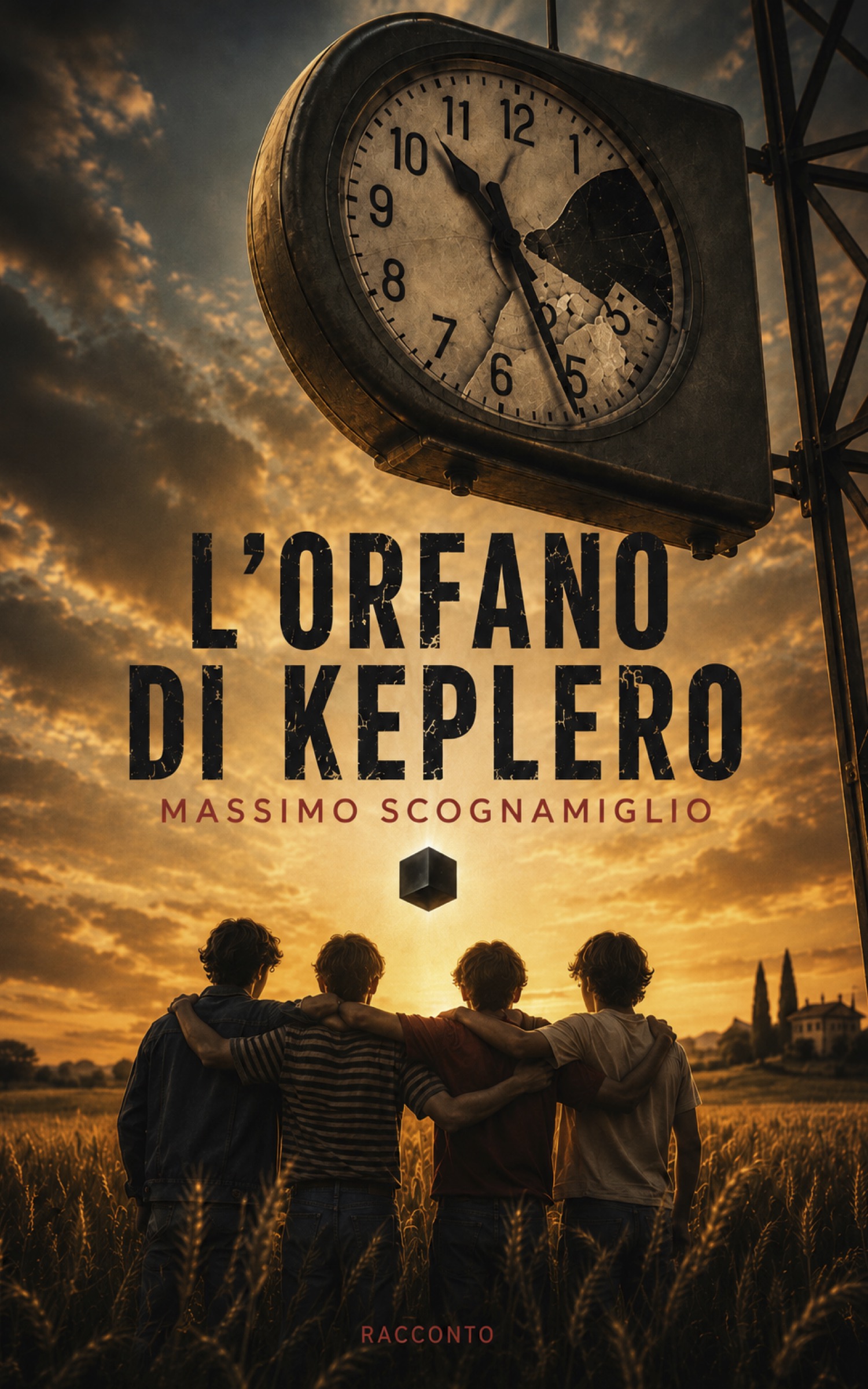
Astronomers have found the trace of a possible planet, only slightly larger than Earth, in data from the Kepler mission. It is a science story, but for me it also opens the door to L’Orfano di Keplero: a book that begins with an extraterrestrial mystery and becomes a story of friendship, loss and growing up.

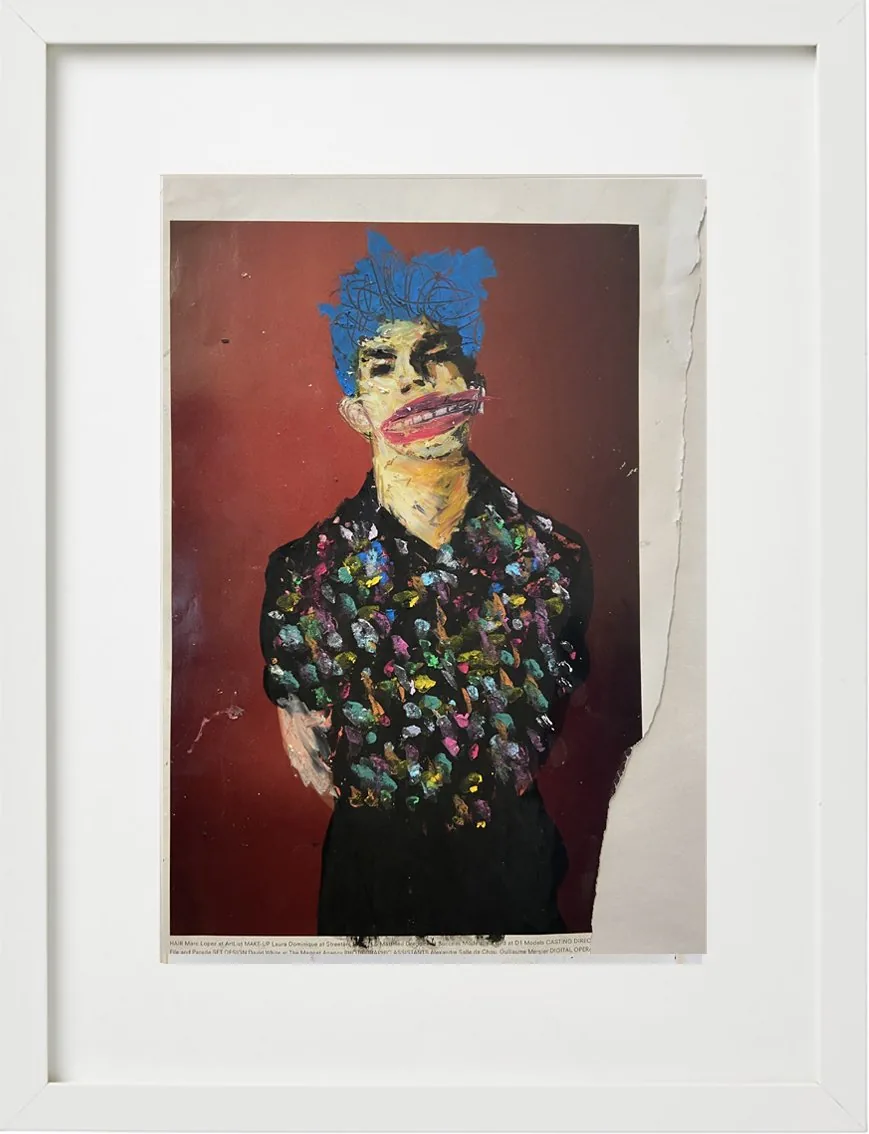
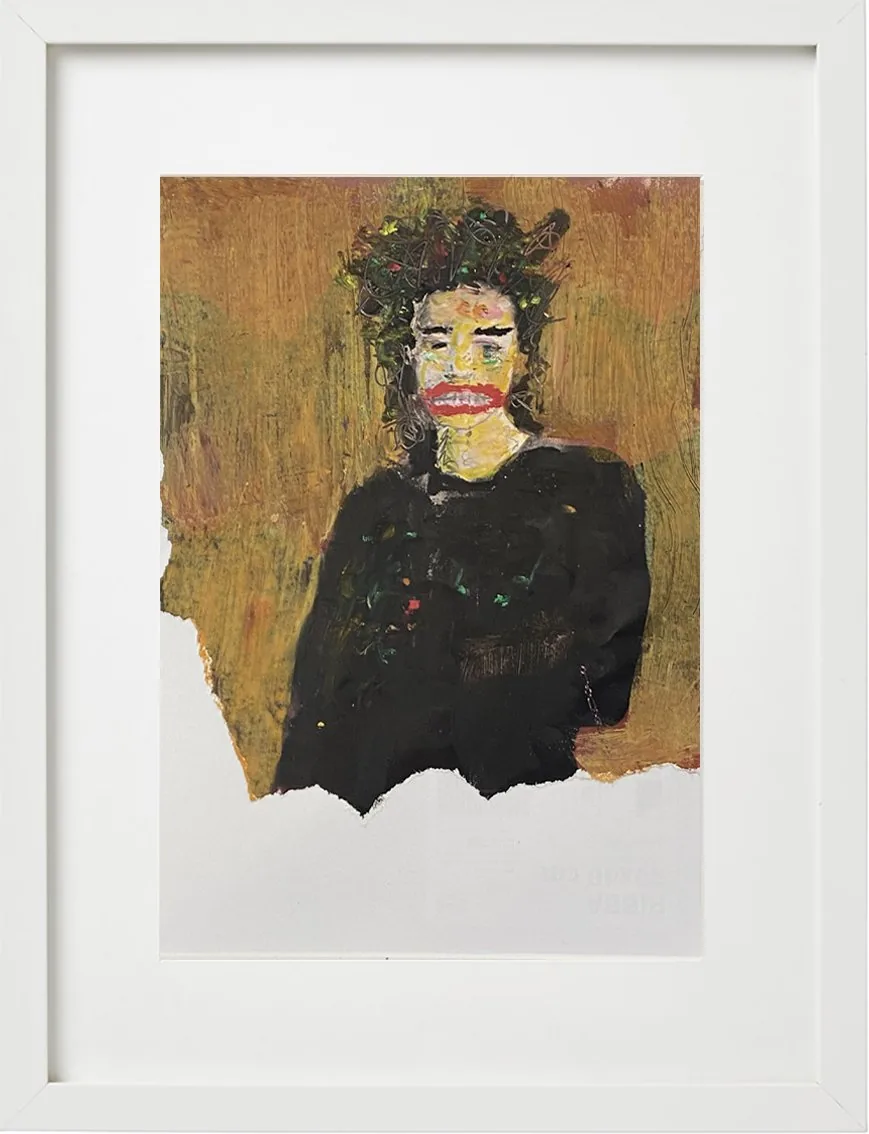
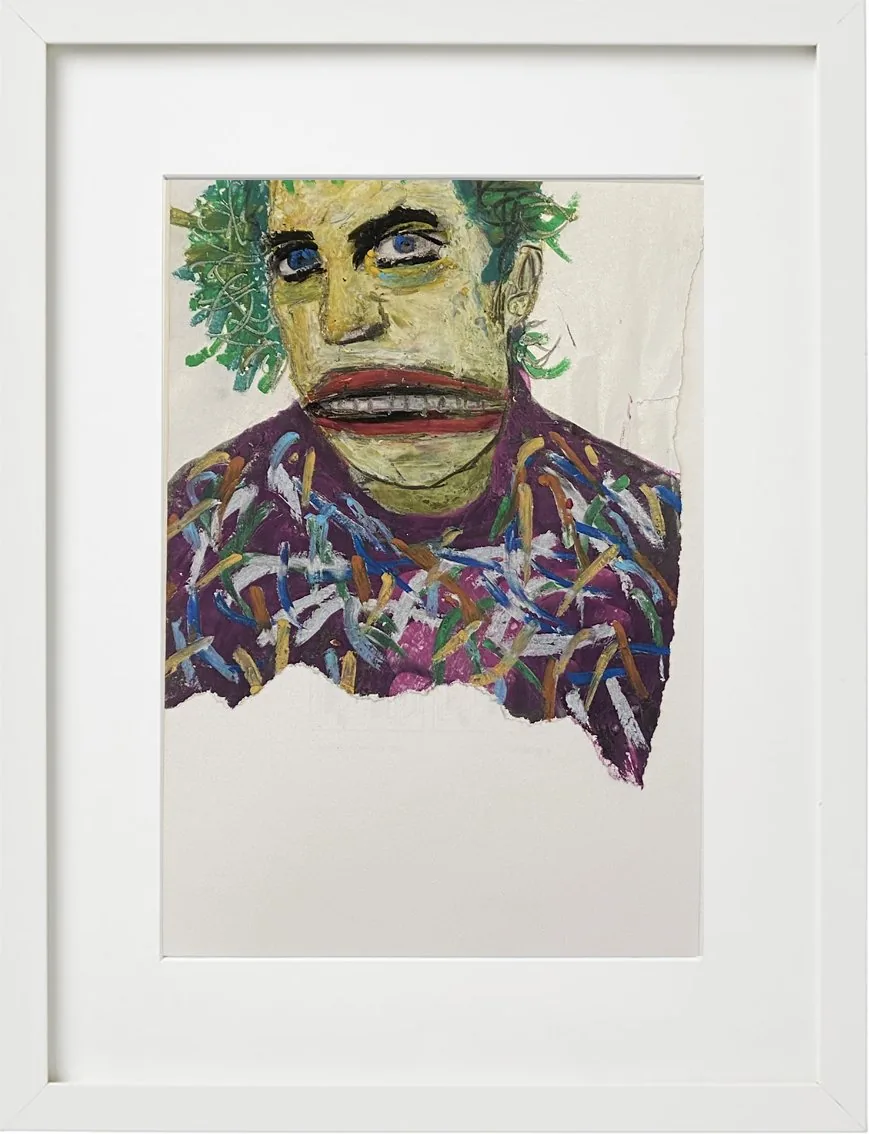
An ICP exhibition in New York retraces forty years of Yves Saint Laurent through photographs, contact sheets and magazines. It is close to my own work: in the Strappi I tear and repaint those polished fashion images to find out what remains beneath their perfection.

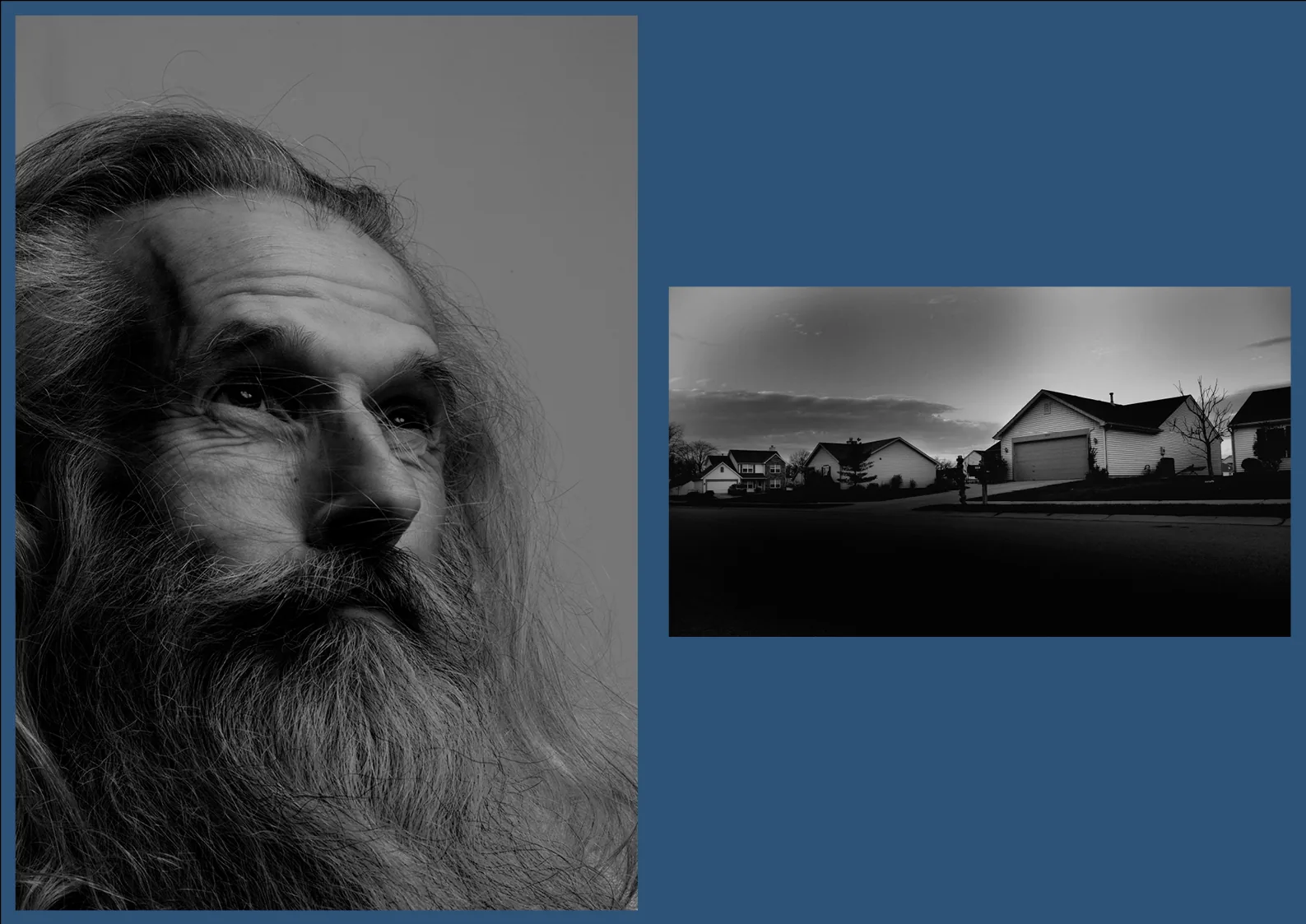
Critic and curator Barbara Martusciello reads Tales of Humans in a Landscape as Massimo Scognamiglio’s most mature project: an artistic photographic practice independent of fashion, built through diptychs, triptychs and desaturated colour fields.

Supermarket Gallery

Supermarket Gallery